How to Increase Booth Traffic at Tech Expos
Beyond QR codes and email blasts, here are the booth traffic tactics that can move the needle at enterprise tech expos. Practical & proven.
 Mitos Aguadera
Mitos Aguadera is VP of Sales and Marketing at Callbox, leading go-to-market strategy and demand generation for B2B clients across tech and SaaS.
View full bio of Mitos Aguadera
The most effective way to increase booth traffic at a tech expo is to stop relying on passive presence and start executing deliberate, account-based tactics before, during, and on the floor.
According to CEIR’s 2025 exhibition industry research, 81% of trade show attendees have buying authority — and over half are not currently doing business with any of the exhibitors they visit. That gap is the opportunity.
That means assigning specific roles to your booth team, actively targeting the right companies rather than waiting for walk-bys, creating visible activity that draws passers-by in, and amplifying your presence in real time through LinkedIn. Budget is rarely the differentiator — execution is. This guide breaks down exactly what that looks like across staffing, floor strategy, gamification, social amplification, and collateral.
If you’re exhibiting at ATxSG 2026 specifically, pair this with our full guide to driving more visitors at ATxSG 2026 — which covers the event-specific pre-show and on-site strategies in detail. And if you’d rather have a team handle the event marketing execution end-to-end, that’s worth exploring too.
Exhibiting in ATxSG or tradeshow event?
Staff Your Booth Like a Sales Team, Not a Welcome Desk
The single highest-leverage decision you make about your booth isn’t the design or the giveaway. It’s who you put in it — and what you ask them to do.
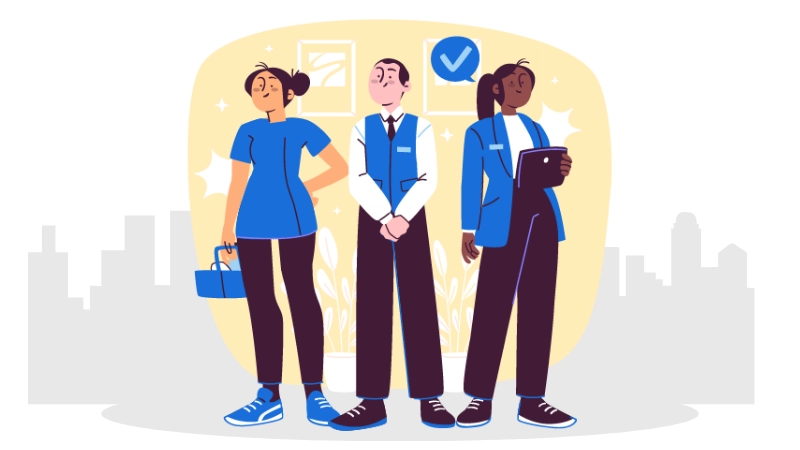
Most exhibitors staff their booths with whoever is available: a mix of marketing coordinators, junior sales reps, and occasionally a senior person who spends most of their time in side meetings. The result is a booth that feels welcoming but can’t hold a substantive conversation with a qualified buyer.
High-traffic booths treat staffing as a deliberate strategy. Here’s what that looks like in practice:
1. Assign specific roles, not general presence.
At minimum, differentiate between people whose job is to initiate contact with passers-by (“openers”), people whose job is to qualify and conduct deeper conversations (“converters”), and people whose job is to manage lead capture and logistics (“processors”). When everyone is doing everything, no one does anything well.
2. Put your best qualifier at the front edge of the booth — not inside it.
Buyers walking a busy expo floor make their decision to stop or keep walking in about three seconds. That decision is made based on the person they see first, not the banner behind them. A confident, well-briefed team member positioned at the front edge of your stand — making brief, relevant eye contact — changes the conversion rate of passers-by more than almost any design element.
3. Brief your team on the three questions that matter.
Every booth team member should be able to ask three qualifying questions in the first 60 seconds of a conversation that tell them whether the person they’re talking to is worth the next 10 minutes. “What brings you to [event] this year?” is not one of them. “What’s your current setup for [relevant category]?” is.
4. Rotate your team deliberately across multi-day events.
Booth fatigue is real — and it’s visible to buyers. A team member who is four hours into their sixth consecutive hour of standing and pitching delivers a noticeably different quality of engagement than one who is an hour into a fresh shift. Build a rotation schedule that keeps energy levels consistent across all three days, and make sure your highest-energy people are on the floor during peak traffic hours.
Use Account-Based Targeting on the Exhibition Floor
Pre-show outreach gets all the attention in most exhibitor playbooks — but the most disciplined exhibitors extend account-based thinking onto the floor itself.
Before the event, build a target account list of the specific companies you most want to have conversations with at the expo. Cross-reference it against the registered exhibitor and attendee list once it’s available. Identify which of your target accounts have a booth nearby, which have sent senior delegates, and which are speaking at sessions. This gives you a structured approach to floor time that goes beyond hoping the right people walk past.
Learn pre-event promotion tips that fill seats and sales pipelines.
On the day, deploy your senior team members to actively find those target accounts rather than waiting for them to find you. A brief, relevant visit to a target company’s booth — with a genuine question about what they’re showcasing — is a more natural opening for a substantive conversation than a cold approach in the middle of a crowded aisle.
For the accounts you can’t reach on the floor, use the event’s networking tools and app to identify and message them during the event. A message sent through the official event platform while you’re both at the same expo carries a very different weight than a cold LinkedIn message sent the week before.
This account-based floor approach is particularly effective at large enterprise technology events where the sheer volume of attendees makes passive booth traffic an unreliable primary strategy. It turns three days of exhibition into three days of targeted relationship-building.
Ready to put these tactics to work at your next tech expo?
What Actually Makes Buyers Stop
Understanding why buyers stop at booths — and why they don’t — is more useful than any single tactic on its own.

The foundational principle is that people stop at booths where something is clearly happening. A booth where a group of people are engaged in an animated conversation, watching a live demonstration, or gathered around a screen creates social proof that draws additional passers-by.
A booth where a lone team member is scrolling their phone signals the opposite. This is why the first visitor of the day is always the hardest to attract — and why keeping your team visibly engaged with each other, or with props and demonstrations, matters even before anyone stops.
- Create visible activity, not passive availability. Run your product demonstration on a loop on a visible screen. Have a whiteboard or large display showing a question or data point relevant to your buyers’ current challenges. Give your team something to do that looks substantive from five metres away. The goal is to make your booth look like it’s worth stopping at before anyone has read a word of your signage.
- Lead with a problem, not a product name. The most effective booth signage at tech expos doesn’t announce what you sell — it articulates the problem you solve in language your buyers use themselves. “We help enterprise IT teams cut network downtime by 40%” stops more of the right people than your company name in large letters. Buyers self-select when they see their own challenge described accurately.
- Use height and contrast deliberately. Exhibition floors are visually noisy. Elements that rise above the surrounding booth height — hanging signs, tall displays, visible screens — catch peripheral attention from buyers who are walking with their heads up. High-contrast colour choices that don’t blend into the surrounding stands also improve visibility from a distance. Neither requires a large budget; both make a measurable difference to walk-by conversion.
- Make it easy to engage at different levels of commitment. Not every buyer who stops at your booth is ready for a 15-minute product conversation. Having a low-commitment entry point — a short survey, an interactive screen, a single-question quiz — gives curious passers-by a way to engage without feeling trapped in a sales pitch. Many of the best booth conversations start with a 30-second interaction that earns the right to the next 10 minutes.
Gamification That Works — and Gamification That Doesn’t
Gamification is one of the most overused and underexecuted booth tactics at tech expos. Done well, it generates genuine engagement and memorable interactions. Done poorly, it attracts people who want the prize, not the product.
A 2025 Freeman EventTrack study found that interactive experiences at expo booths increase dwell time by an average of 4 minutes compared to passive booth setups — and dwell time is one of the strongest predictors of lead quality at enterprise events.
The distinction is straightforward: gamification works when the entry mechanism requires meaningful engagement with your solution or your team, and when the prize is relevant to the people you actually want to attract.
- What works: A short product quiz that surfaces a specific pain point or benchmark in the buyer’s area of responsibility — and then reveals a relevant insight or recommendation based on their answers. The quiz is the engagement; the insight is the value. The prize is secondary.
- What also works: An interactive benchmark or assessment tool that asks buyers to self-report on their current performance against a relevant metric — and shows them where they sit relative to peers. This format works particularly well for enterprise technology solutions where buyers are trying to assess whether they have a problem worth solving. It also generates first-party data about your prospects in the process.
- What doesn’t work: Spin-to-win wheels and prize draws that require nothing more than a badge scan. These attract the wrong people at volume, flood your CRM with unqualified contacts, and create a post-event follow-up problem that costs more time than the footfall was worth.
- The prize matters. An iPad drawing attracts everyone. A private briefing with an industry analyst, a free assessment report, or exclusive early access to your next product release attracts buyers with a genuine interest in what you’re selling. The quality of your prize signals what kind of engagement you’re optimising for.
In-Event Social Amplification: Turning Your Booth Into a Content Engine
Most exhibitors think about social media as a pre-show and post-show activity. The exhibitors who consistently outperform on booth traffic treat the event itself as a content production window.
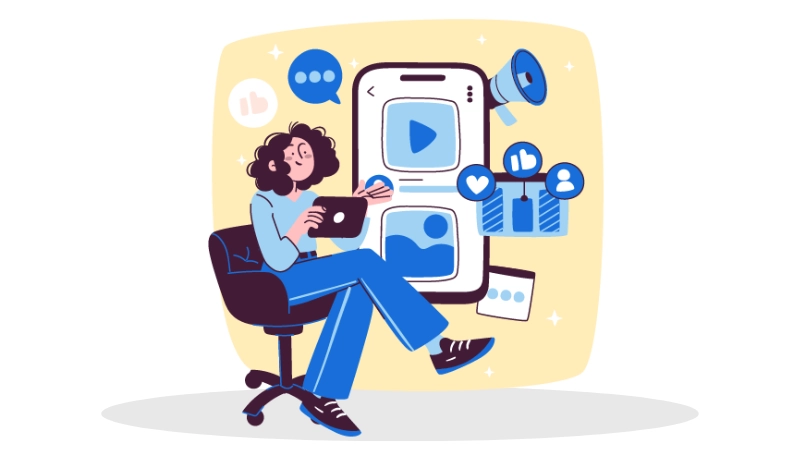
Live social amplification — posting from the floor in real time — does two things simultaneously. It reaches your existing audience back home with proof that you’re active and present at the event, and it reaches the attendees at the event who are scrolling their feeds between sessions and during breaks.
In 2025, LinkedIn reported that content posted during live B2B events generates 3x higher engagement than standard feed posts from the same accounts — driven by the shared context of attendees processing the same experience simultaneously.
Post your booth number in every piece of in-event content. It sounds obvious, but a significant number of exhibitors who post from the floor don’t include their booth number — which means the people most likely to act on the content (other attendees) have no way to find them. Booth number in every caption, every story, every short video.
Create content that other attendees want to share. A photo of your team standing in front of your stand gets minimal reach. A useful observation about something happening at the event — a surprising stat from a keynote, a provocative question about a session theme, a quick video reaction to an announcement — gets engagement from other attendees who are processing the same experience. That engagement extends your reach to their networks, many of whom are also at the event.
Tag speakers, organisers, and partner companies you interact with. Every relevant tag expands the reach of your content to that person’s following. At an event like ATxSG, where speakers and organisers are actively monitoring the event hashtag, a thoughtful mention of a session or conversation can generate engagement from accounts with significant APAC tech audiences.
Use LinkedIn over other platforms for B2B expo amplification. For enterprise technology events, LinkedIn is where your buyers are active during the event day — on their phones between sessions, posting their own observations, and monitoring their feeds during travel time. Prioritise LinkedIn over other channels for in-event content, and keep the format short: a single observation, a relevant question, or a 60-second video beats a long-form post during a busy event day.
Enterprise AI Provider Wins APAC Leads at ATxSG
An enterprise AI solutions provider exhibiting at Asia Tech x Singapore (ATxSG) partnered with Callbox to turn booth traffic into a structured, multi-market sales pipeline — generating qualified appointments and MQLs across APAC before, during, and after the event.
READ CASE STUDYCollateral Strategy: What to Hand Out and What to Leave Behind
The instinct to produce large quantities of printed brochures for a tech expo is understandable, but increasingly counterproductive. Most physical collateral collected at enterprise technology events is left in hotel rooms, lost at the bottom of tote bags, or discarded on the flight home.
The most effective collateral strategy at modern tech expos is to give buyers a reason to engage digitally rather than handing them something physical to carry.
Replace the brochure with a QR code to a dedicated landing page. A landing page built specifically for your ATxSG or expo presence — with the offer, the key messaging, and a clear next step — is more trackable, more updatable, and more likely to be acted on than a printed PDF that competes with dozens of others in a delegate bag.
If you do print, make it useful rather than promotional. A single-page reference card with a relevant benchmark, a decision framework, or a quick-reference guide to the problem your product solves gets kept because it’s genuinely useful. A four-colour product brochure gets recycled. The distinction is whether the reader gets value from it, independent of whether they buy from you.Personalise your digital follow-up assets at the point of capture. When a buyer scans your QR code or fills in your lead form at the booth, the follow-up email they receive should reference the conversation you just had — not a generic nurture sequence that went out to everyone who visited. This requires your lead capture process to include a brief note field for your team to log the key point of each conversation, but the conversion uplift from personalised follow-up makes it one of the highest-ROI operational changes an exhibitor team can make.
These tactics work best when your pre-show outreach, on-site execution, and post-event follow-up all run together as one campaign.
Frequently Asked Questions
What booth traffic tactics work best at enterprise tech expos?
The tactics that consistently outperform at enterprise tech expos are account-based floor targeting (actively seeking target companies rather than waiting for walk-bys), role-specific booth staffing, visible activity that creates social proof, and in-event social amplification with booth numbers included. These work across events of any scale and don’t require a large budget to execute.
How do you staff a booth effectively at a multi-day tech expo?
Effective booth staffing assigns distinct roles — openers, converters, and processors — rather than asking everyone to do everything. It also builds a rotation schedule that keeps energy levels consistent across all event days, with the highest-energy team members scheduled during peak traffic hours and clear briefings on the three qualifying questions every team member should ask within the first 60 seconds of a conversation.
Does gamification work at tech expo booths?
Gamification works when the entry mechanism requires meaningful engagement with your solution — such as a product quiz or a self-assessment tool — and when the prize is relevant to your target buyers. Spin-to-win wheels and generic prize draws attract the wrong people at volume and create a post-event qualification problem. The format of the gamification signals what kind of engagement you’re optimising for.
What should B2B exhibitors post on social media during a tech expo?
Post content that other attendees find useful or shareable — observations from keynotes, questions about session themes, video reactions to announcements — and include your booth number in every piece of in-event content. Tag speakers, organisers, and partners you interact with to extend reach. Prioritise LinkedIn for enterprise B2B events and keep formats short.
What collateral should exhibitors bring to a tech expo?
Replace printed brochures with QR codes linking to a dedicated, trackable landing page. If you do print, produce something useful and reference-worthy rather than promotional. Personalise digital follow-up assets using notes captured at the point of lead collection to improve post-event conversion rates.
How do you maintain booth energy across a three-day tech expo?
Build a deliberate rotation schedule so team members aren’t standing for more than three to four consecutive hours. Brief your team to stay visibly engaged — with each other, with demonstrations, or with props — even during quiet periods, since visible activity is itself a footfall driver. Schedule a team debrief at the end of each day to flag what’s working, adjust messaging, and maintain momentum going into the next morning.
How far in advance should you plan booth traffic tactics for a tech expo?
Effective booth traffic starts at least six to eight weeks before the event. This window allows time to build your target account list, cross-reference it against the registered attendee list once available, run pre-show outreach to book meetings in advance, and brief your booth team on qualifying questions and role assignments. Tactics executed in the final week — last-minute email blasts, generic social posts — consistently underperform compared to those built into a structured pre-show campaign.
Is booth traffic still worth optimising at enterprise tech events in 2025 and 2026?
Yes, and the data supports it. Face-to-face interactions at B2B events generate conversion rates significantly higher than digital-only outreach, with research consistently showing that in-person meetings accelerate deal velocity and improve close rates. For enterprise technology companies, where sales cycles are long and buying committees are large, a single qualified conversation at a well-run expo booth can move an account further in one day than weeks of email follow-up. The risk isn’t that expos don’t work — it’s that most exhibitors underinvest in the tactics that make them work.
ATxSG 2026 takes place 20–22 May 2026 at Singapore EXPO. For the event-specific booth traffic guide built around ATxSG, read our full exhibitor playbook on driving more visitors to your booth at ATxSG 2026.