Top Lead Generation Companies for Medical Device Companies in 2026
Compare leading medical device lead generation companies in 2026 and see which partners can help build qualified pipeline and sales opportunities.
 Rebecca Matias
Rebecca Matias is Callbox's COO with 18 years of experience scaling B2B pipeline through data-driven outbound marketing, lead generation, and sales development.
View full bio of Rebecca Matias
The medical device landscape is undergoing a structural shift. Long sales cycles, strict regulatory oversight, multi-stakeholder purchasing committees, and increasing digital fatigue among healthcare professionals (HCPs) mean traditional B2B sales playbooks no longer yield predictable results.
To build a reliable pipeline, medical device manufacturers cannot rely solely on automated cold outreach or generic web forms. Generating qualified leads in healthcare requires Information Gain: delivering verified account intelligence, clinical proof, total-cost-of-care models, and consultative engagement to the exact decision-makers evaluating medical technology.
This guide evaluates top-performing B2B lead generation partners specializing in the medical device sector, highlighting their operational models, key strengths, and ideal use cases.
Struggling to find the right buyers for your medical device?
What Types of Lead Generation Partners Exist for Medical Device Companies?
When evaluating external commercial support, medical device manufacturers typically choose from four primary agency models based on their growth bottlenecks:
- Multi-Channel Outbound & ABM Agencies: Specialized sales development firms executing Account-Based Marketing (ABM) to map hospital buying committees and secure direct sales appointments across Voice, Email, LinkedIn, and Event touchpoints.
- Inbound & Technical Marketing Agencies: Firms focused on healthcare SEO, clinical content creation, inbound lead scoring, and HubSpot/CRM marketing automation.
- Scientific & Clinical Media Publishers: Digital media networks that publish technical whitepapers, peer-reviewed study digests, and clinical articles to educate healthcare specialists during early research phases.
- Cross-Border & Regional Expansion Specialists: Agencies providing localized healthcare databases and native-language SDR teams to navigate regional regulatory bodies across global markets (such as ANZ, APAC, Europe, or LATAM).
Callbox Circuits Medical Devices Company with Leads & Appointments
Callbox achieved key objectives in terms of best-fit accounts and highly-qualified unique contacts delivered and generates 196 sales appointments and 801 MQLs.
View Case StudyTop Lead Generation Companies for Medical Device Companies
Below is a curated review of specialized lead generation companies that help medical equipment, diagnostic, and medtech providers build qualified sales pipelines.
1. Callbox
Best For: Multi-Channel Account-Based Marketing (ABM) and Global Outbound Prospecting.
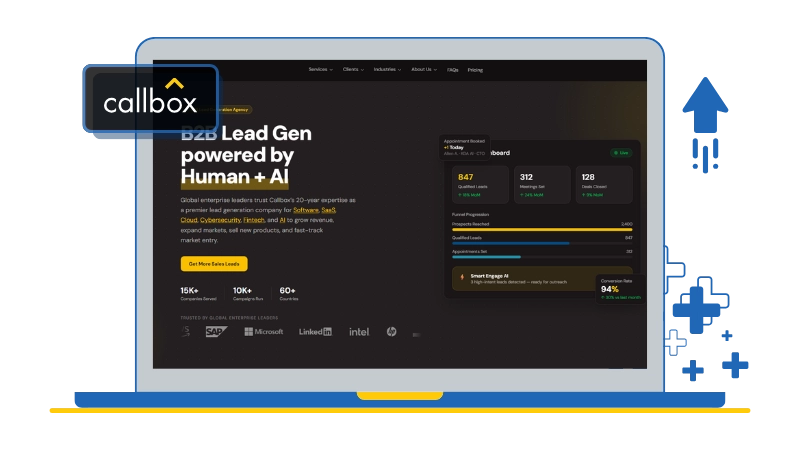
Callbox is a global leader in outsourced B2B sales development with dedicated practice groups in medical device and healthcare technology lead generation.
- How It Works: Callbox deploys a balanced “Human + AI” operating model. AI tools mine intent signals and perform initial data enrichment, while human researchers verify hospital buying committees (clinical, financial, and operational roles). Trained SDRs then execute synchronized, multi-channel outreach across Voice, Email, LinkedIn, Social, Events, and Chat.
- Key Strengths: Deep expertise mapping complex Value Analysis Committees (VACs), strong cross-border capabilities (including dedicated regional teams like Callbox APAC), and strict data verification protocols to prevent bounce rates and maintain compliance.
- Ideal Use Case: Mid-market and enterprise medical device manufacturers selling high-value capital equipment, surgical tools, or healthcare SaaS requiring direct appointment setting with hospital executives.
2. AZoNetwork
Best For: Scientific Content Syndication and Clinical Media Outreach.
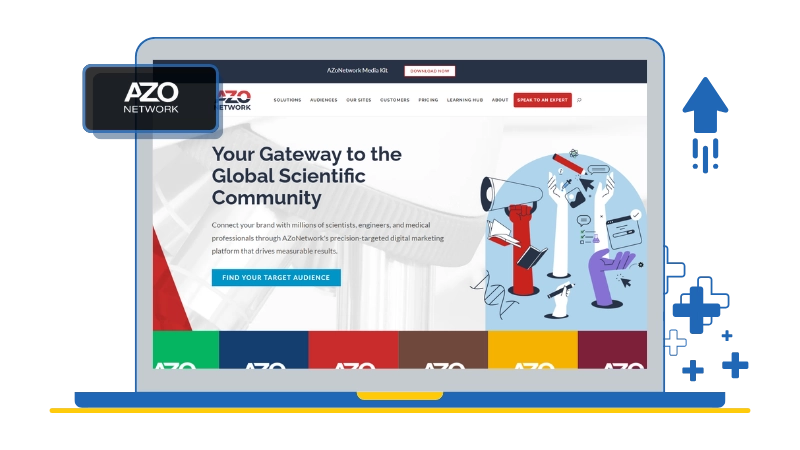
AZoNetwork specializes in technical marketing and digital publishing for the scientific, medical, and healthcare sectors.
- How It Works: AZoNetwork utilizes an extensive network of specialized medical and scientific publications (such as News-Medical and AZoLifeSciences) to distribute technical articles, case studies, and product demonstrations to healthcare professionals.
- Key Strengths: Access to a large, highly targeted audience of research scientists, laboratory managers, and clinical specialists engaged in active product research.
- Ideal Use Case: Life sciences equipment developers, diagnostic tool manufacturers, and laboratory device providers looking to build brand authority and generate inbound inquiries from clinical researchers.
3. SalesHive
Best For: Outbound Cold Email and High-Volume SDR Prospecting.

SalesHive is a US-based sales development agency providing cold outreach services driven by dedicated SDR teams.
- How It Works: SalesHive builds targeted lead lists and executes outbound email and cold calling campaigns focused on booking introductory sales meetings.
- Key Strengths: Transparent pricing, flexible month-to-month contracts, and rapid campaign launch capabilities for B2B tech and device providers.
- Ideal Use Case: Early-stage medical device or healthcare software companies looking for a flexible US-focused SDR partner to test outbound messaging in specific sub-specialties.
4. Ascend Business Growth
Best For: Inbound Lead Generation and HubSpot Marketing Automation.
Ascend Business Growth is a specialized inbound marketing and sales enablement agency focused on manufacturing and healthcare technology.
- How It Works: Ascend aligns inbound marketing strategies with sales enablement, leveraging HubSpot software to build educational blogs, optimize landing pages, and nurture inbound leads through automated email workflows.
- Key Strengths: Strong expertise in inbound content mapping, CRM pipeline structure, and lead scoring tailored for long medical buying cycles.
- Ideal Use Case: Medical device manufacturers seeking to modernize their website infrastructure, capture organic search traffic, and convert passive visitors into qualified inbound leads.
5. WebFX
Best For: Healthcare Search Engine Optimization (SEO) and Digital Advertising.
WebFX is a digital marketing agency offering full-funnel online marketing services for manufacturers and healthcare companies.
- How It Works: WebFX focuses on driving inbound web traffic through medical equipment SEO, pay-per-click (PPC) advertising, and conversion rate optimization (CRO).
- Key Strengths: Robust data tracking platforms, broad digital marketing execution, and custom dashboard reporting.
- Ideal Use Case: Consumable medical supply distributors and mid-sized device manufacturers looking to expand their digital search footprint and generate consistent website inquiries.
 Expert Tip for C-Suite Leaders: The most common mistake we see in medtech outbound is opening with the CFO because the deal is expensive. Finance does not create demand for a device, it validates it. Find the clinical champion first and give them the economic model to carry into the committee. Sequence matters more than seniority.
Comparison Matrix: Medical Device Lead Generation Providers
| Company | Primary Model | Key Channels | Best For | Regional Reach |
| Callbox | Multi-Channel Outbound & ABM | Voice, Email, LinkedIn, Social, Chat, Events | Direct appointment setting & enterprise hospital buying committee mapping | Global (North America, APAC, EMEA, LATAM) |
| AZoNetwork | Scientific Content Marketing | Sponsored Articles, Display Ads, Email Newsletters | Scientific brand awareness & educating clinical researchers | Global |
| SalesHive | Outbound Sales Development | Email, Phone | Outbound prospecting & introductory sales calls | Primary Focus: North America |
| Ascend Business Growth | Inbound Marketing & CRM | Content Marketing, SEO, HubSpot Automation | Inbound lead capture & marketing-to-sales automation | North America |
| WebFX | Full-Service Digital Marketing | SEO, PPC, Content Marketing, CRO | Search visibility & inbound web conversion | Global |
Related: How to Increase Your Medical Device Sales
Why Is Lead Generation Uniquely Complex for MedTech Manufacturers?
Selling medical equipment, diagnostic tools, or surgical devices differs fundamentally from traditional B2B software sales. Medtech companies face four primary friction points:
- Fragmented Buying Committees: A single hospital purchase involves Value Analysis Committees (VACs), Chief Medical Officers (CMOs), Chief Financial Officers (CFOs), Chief Information Officers (CIOs), Department Heads, and Procurement Officers.
- Strict Regulatory and Compliance Standards: Outreach must adhere to strict guidelines (such as HIPAA in the US, EU MDR in Europe, and TGA/PMDA in APAC) while avoiding unsubstantiated clinical claims.
- Severe HCP Digital Fatigue: Physicians and healthcare executives receive dozens of automated cold emails weekly. Low-context, high-volume automated outreach fails to convert and risks domain reputation damage.
- Extended Sales Cycles: Enterprise medical device evaluations routinely span 6 to 18 months, requiring sustained multi-touch engagement rather than transactional follow-ups.
Expert Tip for C-Suite Leaders: In an 18-month device cycle, meetings booked this quarter tells you almost nothing about revenue next year. We track engaged-contacts-per-account inside Callbox Pipeline and review the distribution monthly. Accounts that go from one contact to three are the ones that close, and you can see that shift long before the opportunity shows up in the forecast.
What Role Does “Information Gain” Play in Medical Marketing Strategy?
In an era flooded with generic marketing copy, medical device buyers ignore broad claims like “our device improves efficiency.” High-converting strategies rely on Information Gain—providing original, evidence-backed value that addresses specific clinical and financial problems.
Generating sales-ready medical leads requires embedding four core elements into every campaign:
- Quantified Clinical Outcomes: Presenting clear data on procedure time savings, reduced complication rates, or improved diagnostic accuracy.
- Total Cost-of-Care Impact: Providing VAC-ready economic models that show how device adoption reduces readmissions, shortens hospital stays, or lowers consumable costs.
- EHR & Technical Integration Guides: Showing IT and operations teams exactly how the device connects to existing hospital networks (HL7/DICOM) with clear cybersecurity protocols.
- Human-Led Consultative Engagement: Ensuring that outbound touchpoints are conducted by trained sales development professionals who understand healthcare terminology and can navigate complex objection handling.
How to Accelerate Medical Device Sales in APAC Markets?
The Asia-Pacific medical device market is expanding rapidly, driven by healthcare infrastructure investments, aging demographics, and rapid adoption of surgical technology. However, cross-border expansion requires navigating localized market dynamics:
- Australia and New Zealand (ANZ): Highly mature healthcare systems prioritizing digital health, point-of-care diagnostics, and remote patient monitoring. All communications must comply with Therapeutic Goods Administration (TGA) standards.
- Southeast Asia (Singapore, Malaysia, Indonesia, Vietnam): Rapid expansion in private hospital networks and medical tourism. Success requires localized market entry strategies, multi-lingual outreach capabilities, and coordination with local distributors.
- East Asia (Japan, South Korea, Taiwan): Advanced markets adopting surgical robotics, AI diagnostics, and minimally invasive tools. Navigating complex hospital hierarchies and regional regulatory approvals (such as Japan’s PMDA) is critical.
To succeed across these diverse territories, commercial teams often rely on specialized regional partners. For instance, Callbox APAC provides localized healthcare databases, multi-lingual SDR teams, and regional compliance expertise to help global medtech firms connect directly with hospital decision-makers across ANZ, Southeast Asia, and East Asia.
Frequently Asked Questions
What constitutes a "qualified lead" in medical device sales?
A qualified lead in medical device sales is more than a clinician expressing general interest. It is an identified opportunity within a target healthcare facility that includes an internal clinical champion, an identified budget or trial timeline, and a clear understanding of the hospital’s Value Analysis Committee (VAC) review process.
Why do generic cold email campaigns fail in healthcare?
Healthcare executives and physicians face extreme workload demands and strict security filters. Generic cold emails lack contextual relevance, fail to address specific operational or clinical pain points, and often violate compliance standards, leading to low response rates and domain reputation damage.
How do medical device companies engage Value Analysis Committees (VACs)?
Successful VAC engagement requires providing clinical champions with complete economic evidence packages. These include clinical outcome studies, total-cost-of-care comparisons, implementation timelines, and cybersecurity/EHR integration documentation that clinical champions can present to the purchasing board.
How does outsourcing sales development benefit internal sales reps?
Outsourced sales development allows internal medical device sales representatives to focus their time where it matters most: conducting product demonstrations, managing clinical trials, presenting to hospital committees, and closing deals, while an external partner manages time-intensive prospect research and initial meeting booking.