Top Demand Generation Tools to Drive More B2B Leads
Compare the best demand generation tools for B2B marketing. Discover platforms that help generate qualified leads, accelerate pipeline, and drive revenue growth.
 Rebecca Matias
Rebecca Matias is Callbox's COO with 18 years of experience scaling B2B pipeline through data-driven outbound marketing, lead generation, and sales development.
View full bio of Rebecca Matias
What Are Demand Generation Tools?
Demand generation tools are software platforms that help B2B teams create, detect, and capture buyer interest. They combine intent data, contact enrichment, website visitor identification and campaign automation so revenue teams can find accounts already researching solutions and reach the right decision-makers before competitors do.
Fixing the Pipeline Problem
Modern B2B revenue teams encounter significant friction as acquisition costs rise and traditional outbound performance drops. Cold email response rates fell to 3.43% as of August 2026, forcing sales leaders to outmaneuver rivals using real-time buyer intent data.
Capturing market share requires identifying active buyers before competing brands land on their radar. Many organizations accelerate this process by partnering with a demand generation agency that combines buyer intent data, outbound prospecting, and multichannel engagement to build a predictable pipeline.B2B buyer groups include six to 10 decision makers who research software options in private before speaking to any account representative. Intent platforms and contact data systems uncover this active research so revenue teams can engage qualified accounts early in the purchasing cycle.
Scaling pipeline efficiently starts with selecting the right demand generation tools for your business model. Combining these platforms with a structured appointment setting and lead generation strategy helps revenue teams turn buying signals into qualified sales conversations more efficiently.
Is your pipeline slowing because buyers aren't finding your business?
The 30 Day Competitor Steal Campaign Blueprint
B2B revenue teams use intent platforms and data enrichment systems to identify active buyers before competing brands discover them. A structured demand generation strategy aligns these insights with coordinated outreach, helping sales and marketing teams engage qualified accounts earlier in the buying journey.
Week 1: Capture Off-Site Intent
Set up third-party tracking keywords around competing brand names and software categories. Monitoring these research signals alerts your team when a prospect evaluates your competitors.
Week 2: De-anonymize Visiting Accounts
Track company IP addresses that visit your competitor comparison pages or pricing charts. Matching anonymous traffic to target accounts reveals which prospects are actively comparing solutions right now.
Week 3: Enrich Decision Maker Profiles
Pull contact information for key decision makers within identified accounts. Gathering phone verified mobile numbers ensures your sales reps reach executive buyers without hitting gatekeepers.
Week 4: Execute Multi-Touch Outreach
Launch targeted phone, email and social touches presenting a clear competitive advantage. Following proven demand generation best practices enables teams to coordinate messaging across multiple channels and improve engagement with high-value buying committees. Reaching prospects while they are in active evaluation cycles lets you displace rival vendors before contracts are signed.
Building a structured cadence transforms cold outreach into timely conversations. Following these weekly phases keeps your acquisition workflow structured and predictable.
Deep-Dive Analysis of Top Solutions
1. Demandbase
Demandbase pairs account intelligence with paid media activation so marketing and sales work one shared account list.
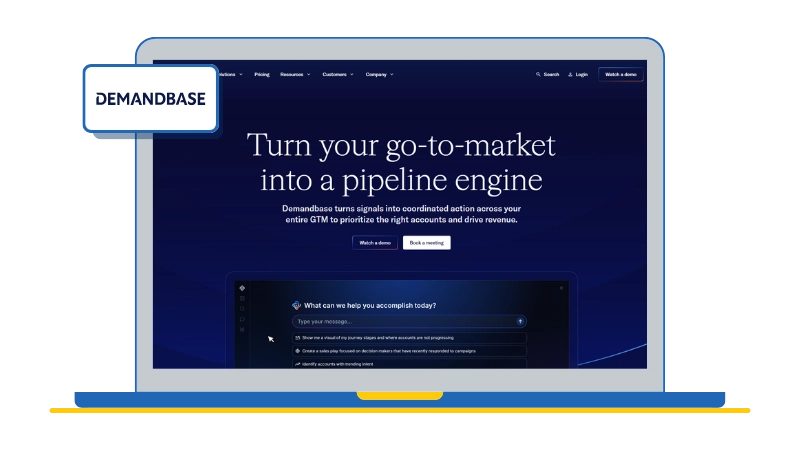
Primary Category: Account-based marketing platform and advertising engine.
Target Regional Reach: Global coverage with strongest depth across North America and EMEA.
Best Used For: Marketing teams running coordinated advertising and sales outreach against a defined target account list.
Competitive Advantage: Pushes intent-qualified accounts straight into ad audiences and CRM alerts, so paid spend and SDR effort hit the same buying committees.
 Expert Tip for C-Suite Leaders: Aligning advertising audiences with sales outreach removes wasted impressions on accounts that will never buy. Your team builds recognition inside target accounts before the first sales call happens.
2. Cognism
Cognism provides high-accuracy B2B contact intelligence focused on strict data privacy compliance across global markets.
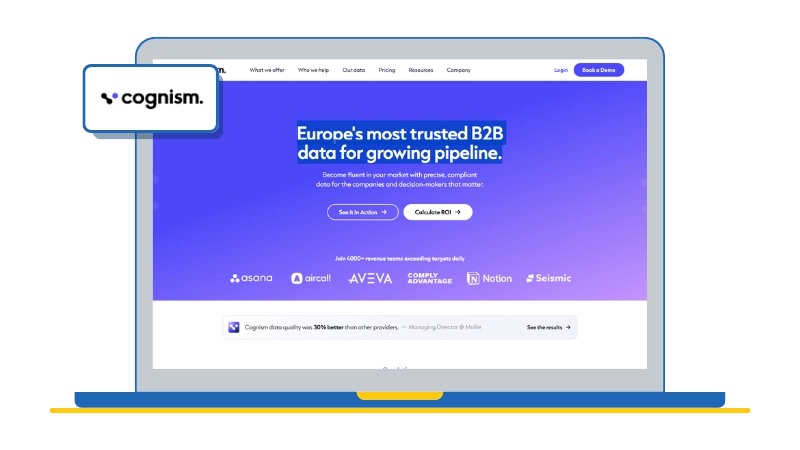
Primary Category: B2B data intelligence and contact verification.
Target Regional Reach: Global coverage with market dominance in EMEA.
Best Used For: Outbound sales teams making cold calls to European or international executive decision-makers.
Competitive Advantage: Delivers phone-verified direct mobile numbers that bypass corporate gatekeepers and reduce email bounce rates below 3%.
Expert Tip for C-Suite Leaders: Accessing accurate mobile numbers keeps your SDR team productive on cold calls. Strict adherence to global privacy laws prevents regulatory penalties during international expansions.
3. ZoomInfo
ZoomInfo offers an extensive corporate database paired with automated workflows for broad market prospecting.
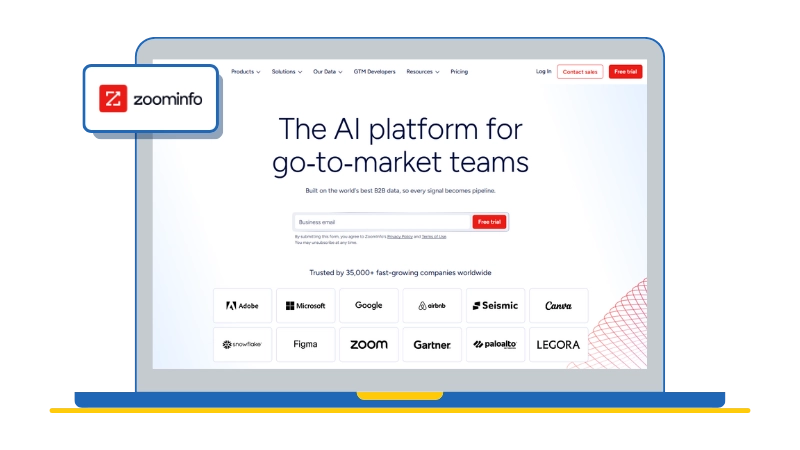
Primary Category: Sales intelligence and B2B contact database.
Target Regional Reach: Strongest focus across North American enterprise accounts.
Best Used For: Large enterprise sales teams requiring deep technographic profiling and broad contact coverage across North America.
Competitive Advantage: Provides massive database depth allowing reps to build extensive target account lists across United States industries.
Expert Tip for C-Suite Leaders: Automated sales triggers alert reps whenever a target account hires new leadership or secures funding. Reaching out during these operational shifts increases conversion rates significantly.
4. 6sense
6sense uses predictive machine learning models to capture buyer intent signals hidden across the web.
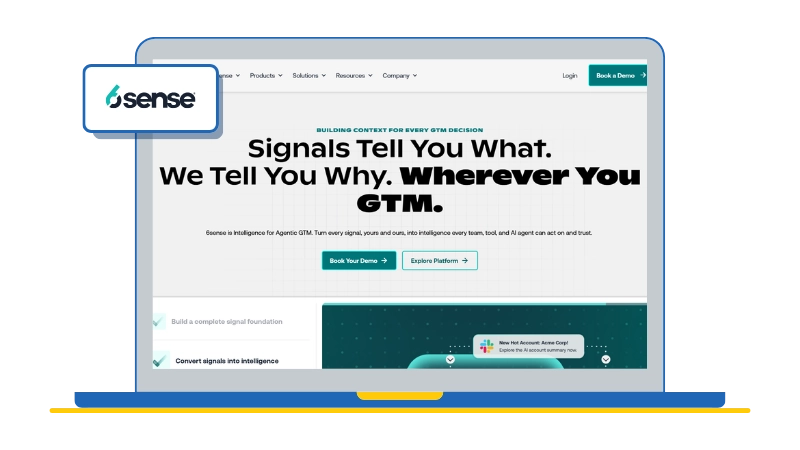
Primary Category: Account based marketing platform and intent engine.
Target Regional Reach: Global enterprise account coverage.
Best Used For: Enterprise B2B organizations managing complex sales cycles with multiple buying committee members.
Competitive Advantage: Uncovers anonymous buying signals in the dark funnel long before prospects submit a contact form on a vendor website.
5. Leadfeeder
Leadfeeder identifies the real company names behind anonymous IP addresses visiting your online assets.
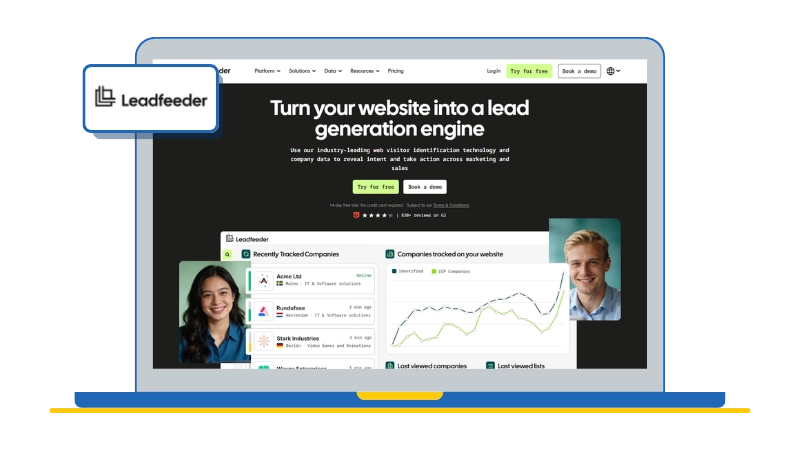
Primary Category: Website visitor de-anonymization software.
Target Regional Reach: Global software accessibility.
Best Used For: Inbound marketing teams wanting to turn web traffic into active outbound sales targets.
Competitive Advantage: Connects website visitor behavior directly to CRM target accounts so sales reps react to high intent traffic in real time.
Expert Tip for C-Suite Leaders: Converting anonymous web traffic into target company profiles creates immediate sales opportunities. Your team can reach out while your brand remains fresh in the buyer mind.
6. Bombora
Bombora aggregates research activity from a large publisher cooperative to show which topics an account is studying this week.
Primary Category: Third party intent data provider
Target Regional Reach: Global data coverage with deepest signal density across North America
Best Used For: Revenue teams that want topic level research signals feeding their ABM platform, CRM or ad stack
Competitive Advantage: Reports account level surges against specific topics, letting marketers time campaigns to the exact week a buying committee starts evaluating
Expert Tip for C-Suite Leaders: Feeding topic surge data into your existing platforms sharpens targeting without replacing your current stack. Prioritizing surging accounts shortens sales cycles because outreach lands during active research.
Discover
7. Apollo.io
Apollo.io combines a large contact database with built in sequencing so smaller teams can prospect from one workspace.
Primary Category: Prospecting database and sales engagement platform
Target Regional Reach: Global software platform reach with broad North American contact depth
Best Used For: Startups and mid market teams that need data, email sequencing and dialing without buying three separate tools
Competitive Advantage: Bundles contact enrichment, multichannel sequences and CRM sync at a price point that suits lean SDR teams
Ready to generate demand that turns into real revenue opportunities?
Comparing Demand Generation Options
Evaluating software platforms and data providers requires reviewing your internal team bandwidth.
| Provider | Core Category | Primary Benefit | Regional Reach |
| Demandbase | ABM and Advertising | Activates paid and sales plays against one account list | Global, strongest in North America and EMEA |
| Cognism | Data Intelligence | Delivers verified mobile numbers to outpace rival phone queues | Strongest focus across EMEA and global markets |
| ZoomInfo | Sales Intelligence | Provides broad enterprise database coverage for rapid prospecting | Primary focus on North American enterprise accounts |
| 6sense | ABM Platform | Identifies early buyer intent signals across dark funnel channels | Global enterprise account coverage |
| Leadfeeder | Web De-anonymization | Uncovers corporate website visitors before form submission | Global software coverage |
| Bombora | Third Party Intent Data | Surfaces topic level research spikes inside target accounts | Global data coverage, deepest in North America |
| Apollo.io | Prospecting and Engagement | Combines contact data with sequencing in a single workspace | Global software platform reach |
| HubSpot | CRM Automation | Manages incoming inbound leads with automated email sequences | Global software platform reach |
Related: Top Demand Generation Agencies
Selecting the Right Tech Setup
- Audit your current pipeline bottlenecks before investing in new sales platforms.
- Test data verification rates across your primary target regions.
- Determine whether your team needs point solutions or one consolidated platform.
- Confirm that your selected tool integrates cleanly with your primary CRM.
- Calculate your cost per qualified meeting to ensure sustainable deal profitability.
Executing these evaluation steps keeps your customer acquisition costs predictable while building a repeatable sales pipeline. You protect your budget from unused seat licenses while expanding overall market share.
Evaluating Demand Generation Tools for Growth
Using advanced demand generation tools allows your sales team to spot active buyers and outmaneuver rivals in competitive markets. Evaluating your internal prospecting capacity against target market demand helps determine where tech investments yield the highest return. Speaking with a qualified growth advisor can clarify how to structure your lead generation stack for maximum pipeline velocity.
Related: SaaS Demand Generation
Frequently Asked Questions
Which demand generation tools suit small teams?
Smaller teams get the most value from consolidated platforms that bundle contact data with sequencing, plus a website visitor identification tool to convert existing traffic. Enterprise ABM platforms usually require dedicated operations staff, so lean teams see faster payback from lighter, integrated options.
Do demand generation tools need a CRM?
Effectively yes. Intent signals and enriched contacts only create pipeline when they route into a system your reps work in daily. Confirm native integration with your CRM before purchase, because manual CSV transfers destroy the timing advantage that intent data is supposed to give you.
How do intent tools find anonymous buyers?
Intent platforms match company IP addresses and cookie level research behavior against content consumption across publisher networks and your own website. When activity around a topic spikes above an account baseline, the platform flags that account as researching, often weeks before any form submission.
How long until demand generation tools show ROI?
Expect two to four weeks for setup and signal calibration, then roughly one full sales cycle before pipeline attribution becomes reliable. Teams that define a cost per qualified meeting benchmark before launch can judge performance far earlier than teams tracking raw lead volume.