What the World Cup Teaches Us About Modern Marketing
The world's biggest brands are rewriting the marketing playbook at the 2026 World Cup. Here's what B2B companies can learn from it.
 Rebecca Matias
Rebecca Matias is Callbox's COO with 18 years of experience scaling B2B pipeline through data-driven outbound marketing, lead generation, and sales development.
View full bio of Rebecca Matias
Every four years, the world’s biggest brands get a masterclass in what great marketing actually looks like.
The 2026 FIFA World Cup — hosted across the USA, Canada, and Mexico — is already delivering that masterclass in real time.
And if you pay close attention, the lessons aren’t just for Nike and Adidas. They’re for every B2B company trying to cut through the noise and build something that actually lasts. That’s exactly the kind of thinking we explore at Callbox, especially when it comes to building predictable pipelines through modern B2B strategies like appointment setting lead generation.
Want to apply modern marketing strategies that actually drive revenue growth?
The Best Brands Don’t Advertise. They Join the Conversation.
Adidas didn’t just buy a banner ad at this World Cup.
They launched “Home of Soccer” in New York City — a physical space where athletes, creators, and fans could gather around the tournament together. Nike built global campaigns around athlete stories that people wanted to share, not skip.
The shift is deliberate. Today’s audiences don’t want to be advertised at. They want to be part of something.
This is the single biggest marketing lesson of this tournament: the brands winning aren’t shouting the loudest. They’re showing up in the right conversation, at the right moment, in a way that feels genuinely human.
For B2B companies, this is directly applicable. The cold pitch nobody asked for is the banner ad nobody clicks. The insight that actually helps someone do their job better — that’s the campaign people remember.
Related: Top B2B Marketing Companies
Experiences Beat Impressions Every Time
Viewership numbers for this World Cup are staggering.
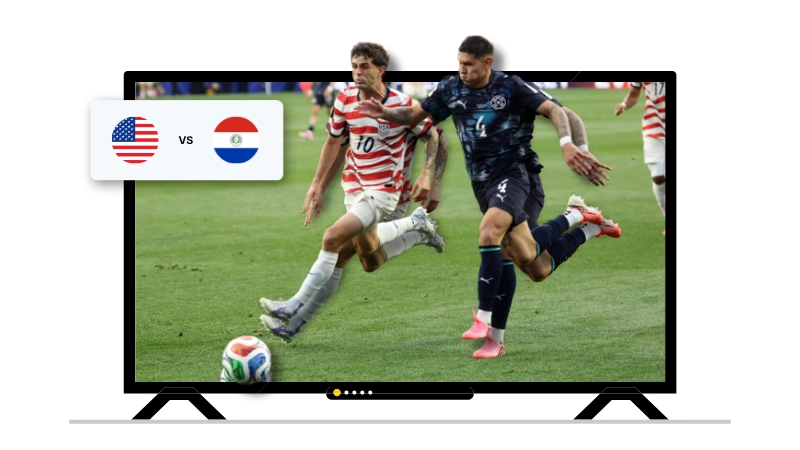
The USA’s opening match against Paraguay drew nearly 25 million viewers across all platforms — more than the NBA Finals average. Total global viewership is projected to surpass 5 billion people across the tournament’s 39 days.
Brands could chase those impression numbers all day. Most are choosing not to.
Visa’s “Tap In” initiative focused on supporting small businesses in host communities — not reach, not impressions, not brand recall scores. Real impact on real people in the markets where the tournament was happening.
That’s a bold call when you’re sitting on one of the world’s biggest stages. And it’s the right one.
The companies building the deepest relationships with their customers aren’t the ones with the biggest media budgets. They’re the ones creating experiences worth talking about. In B2B, that looks like a webinar that actually teaches something. A report with data people can’t find anywhere else. A conversation that makes a prospect feel understood before you ever make an ask.

B2B Logistics Brand Seals $6M-Deal from Callbox Campaign
See how Callbox expertise helped logistics firm seal deals worth of $6-M deals.
View Case StudyCultural Relevance Isn’t Optional Anymore
The 2026 World Cup spans three countries and 48 nations.
The audience isn’t monolithic. It’s multilingual, multicultural, and spread across every timezone and demographic. The brands getting it right are the ones investing in stories that reflect that — diverse representation, local language content, campaigns that resonate in São Paulo and Seoul and suburban Ohio at the same time.
McDonald’s and Nike aren’t running one global ad and calling it done. They’re building campaigns that allow people from entirely different backgrounds to see themselves in the same story.
For B2B marketers, the parallel is clear. Your buyers aren’t all the same person. A VP of Sales in Singapore and a RevOps Director in Chicago have different pain points, different contexts, and different reasons to care about what you’re offering.
Generic messaging is the equivalent of running one ad for 48 countries. It reaches everyone. It resonates with no one.
Digital Changed the Game. Most Companies Haven’t Caught Up.
Television still matters. But younger audiences at this World Cup are consuming it through highlights, creator content, memes, and social clips as much as live broadcasts.
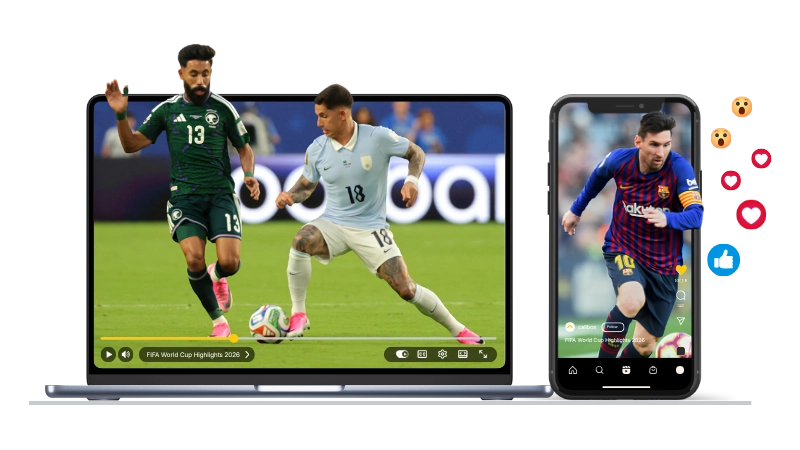
FIFA built digital engagement into the core of its commercial strategy this tournament — not as an afterthought, but as a primary channel.
The brands who understood this didn’t just repurpose their TV spots for Instagram. They created content native to each platform, built for how people actually consume on their phone at 11pm while the match is on.
This is where most B2B companies are still behind. Content that works on LinkedIn doesn’t work as a cold email. A case study designed for a sales deck doesn’t work as a blog post. A webinar built for existing clients doesn’t work as top-of-funnel acquisition.
Channel-native content isn’t a nice-to-have. It’s table stakes in 2026 — and the World Cup’s biggest brand winners are proving it in real time.
Related: Marketing Lesson from Coachella 2026
The Lesson That Matters Most for B2B
Here’s what ties all of this together.
The brands using the World Cup well aren’t just spending more money. They’re thinking more clearly about who they’re talking to, where those people actually are, and what they genuinely care about.
They’re creating things worth experiencing. They’re showing up with cultural awareness. They’re building relationships that outlast the tournament.
That’s not a sports marketing strategy. That’s just good marketing.
At Callbox, it’s also how we think about pipeline. Not more volume. Sharper targeting. Not louder outreach. More relevant conversations. Human SDRs who understand context, not just cadence.
The World Cup final is July 19. The brands that will be remembered long after it aren’t the ones who bought the most airtime.
They’re the ones who made people feel something.