A Guide To Building an Effective Quarterly Marketing Plan
Learn how to build an effective quarterly marketing plan with examples, tips for setting quarterly goals, and strategies to align with sales plans.


Crafting a marketing strategy can feel overwhelming, but breaking it into quarterly chunks makes it manageable and dynamic. A quarterly marketing plan isn’t just a document—it’s your roadmap to consistent growth and adaptability. This guide will walk you through creating an effective plan that drives results while keeping things fresh.
Why a Quarterly Marketing Plan?
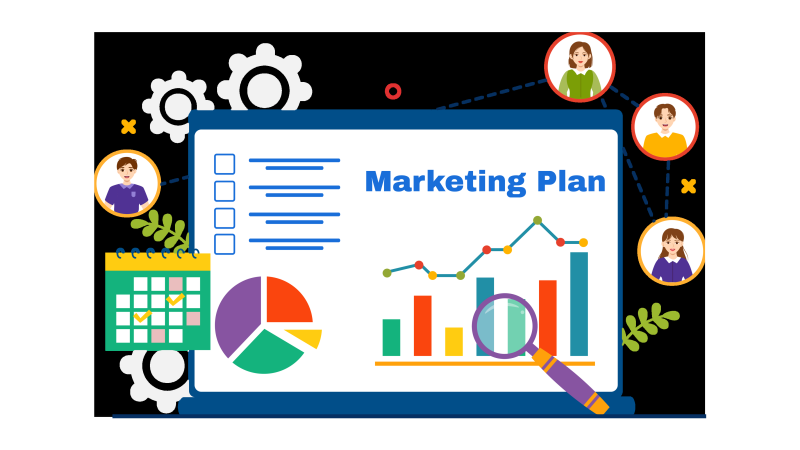
Sure, an annual plan has its place, but quarterly plans let you pivot and adjust as market trends, customer behaviors, and business priorities evolve. With shorter cycles, you can:
- React faster to changes.
- Keep goals manageable and focused.
- Build momentum by tracking short-term wins.
Plus, a quarterly cadence ensures you never lose sight of what matters most: achieving your quarterly marketing goals while aligning with long-term objectives.
Step 1: Start with Clear Goals
Kick things off by revisiting your yearly objectives and breaking them into achievable quarterly marketing goals. These could include increasing website traffic, boosting email engagement, or launching a product campaign. Goals like these guide your plan and help you measure progress.
Pro Tip: Be SMART—specific, measurable, achievable, relevant, and time-bound—when setting your goals.
Discover the innovative 5 lead generation goals.
Step 2: Create a Content Calendar

A strong content plan is at the heart of any quarterly marketing plan example. Map out blog posts, videos, emails, and social media updates to engage your audience consistently. Use a calendar to schedule:
- Launch dates for campaigns.
- Regular content like weekly blogs or newsletters.
- Seasonal or event-based promotions.
Connect each piece of content to your broader goals. For instance, if you aim to grow email subscribers, create lead magnets like eBooks or exclusive webinars.
Related: B2B Content Marketing Strategies for Successful Lead Generation
Step 3: Collaborate on Your Quarterly Sales Plan

Marketing and sales go hand-in-hand. Align with your sales team to develop a quarterly sales plan that supports both lead generation and conversions. Work together on:
- Identifying high-value target audiences.
- Crafting offers tailored to different buyer personas.
- Tracking performance metrics that bridge the gap between teams.
Collaboration ensures that your marketing efforts fuel the sales pipeline effectively.
Are you looking to grow your business?
Step 4: Automate and Optimize

Let technology do the heavy lifting. Automation tools save time and boost productivity. Use them for:
- Scheduling social media posts.
- Personalizing email campaigns.
- Tracking performance metrics like CTR and engagement rates.
Keep optimizing based on real-time data to ensure your strategies stay effective throughout the quarter.
Step 5: Monitor, Measure, and Adapt
As the quarter unfolds, track progress against your KPIs. Use tools like Google Analytics or HubSpot to monitor performance metrics. Are you meeting your quarterly marketing goals? If not, identify bottlenecks and adapt.
Final Thoughts
With a solid quarterly marketing plan, you can focus on what matters most without getting bogged down by long-term uncertainties. Remember to stay flexible and prioritize collaboration to ensure every quarter sets the stage for success.