2026 B2B Lead Generation Tools for Enterprise Sales: Powering Speed at Scale
Explore B2B lead generation tools built for enterprise sales teams to generate qualified leads, scale outreach, and accelerate pipeline growth.


Your sales reps are doing everything right, yet deals are still spending months in “discovery purgatory.” You have plenty of names in the CRM, but the distance between a first touch and a signed contract feels like a marathon. The problem isn’t your team’s work ethic; it’s a technical bottleneck in how you identify and engage intent.
When your lead generation tools focus on quantity over velocity, they force your team to sift through noise while hot prospects cool off. To hit aggressive enterprise targets, you need a stack that prioritizes speed to lead. According to market data, businesses that use automated solutions to manage leads see a 10% increase in revenue within just six to nine months of implementation.
What are Lead Generation Tools?
Lead generation tools are digital solutions that automate the process of finding, qualifying, and capturing prospective buyers. These platforms allow sales teams to scale outreach and focus their energy on high-intent accounts that are most likely to convert quickly.
Is your SaaS company ready for an SDR partner built for tech growth?
At a Glance
In this article, we explore how to transition from a high-volume, low-speed prospecting model to a high-velocity engine. This guide walks through the top software platforms that prioritize data accuracy and intent signals. You will learn how to identify bottlenecks in your current stack and replace them with tools that shorten your sales cycle. By the end, you will have a blueprint for a self-reinforcing growth engine that maximizes customer lifetime value.
1. Apollo.io: The All-in-One Velocity Engine
If your reps spend more time switching tabs than talking to prospects, Apollo.io is a game changer for speed. It combines a massive B2B database with a native dialer and email sequencer, meaning there is zero lag between finding a lead and starting a conversation. Because it consolidates three tools into one, it eliminates the “integration friction” that usually slows down a sales desk.
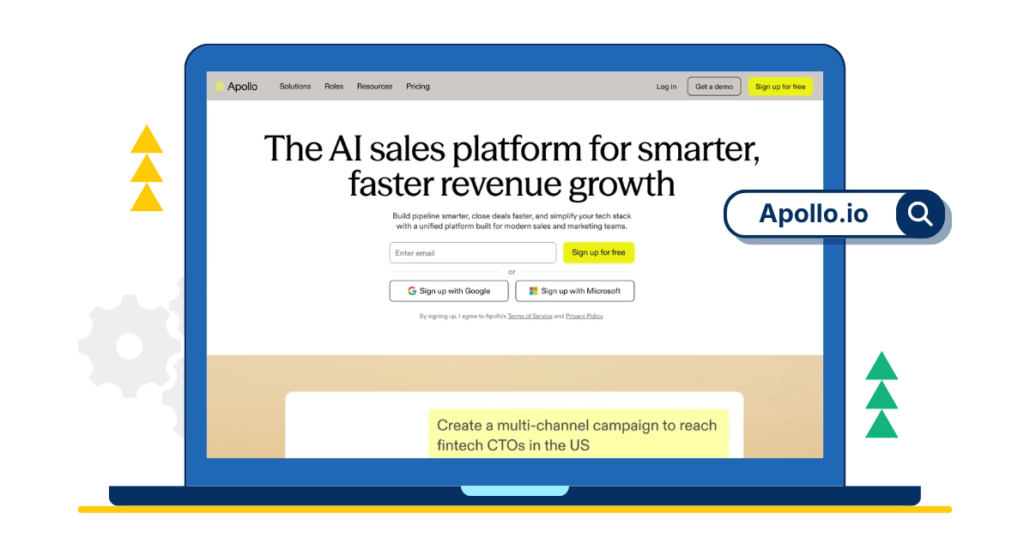
What makes this tool distinct is its AI Control Center, which suggests the best next steps based on real-time engagement data. Instead of guessing who to call, your reps follow a prioritized list of high-intent actions.

2. ZoomInfo: Unmatched Data Scale for Enterprise
For large enterprises, speed is often limited by data decay. ZoomInfo remains the heavyweight champion of data depth, providing real-time alerts when a prospect changes jobs or a company receives new funding. These “sales triggers” allow your team to reach out exactly when a window of opportunity opens.
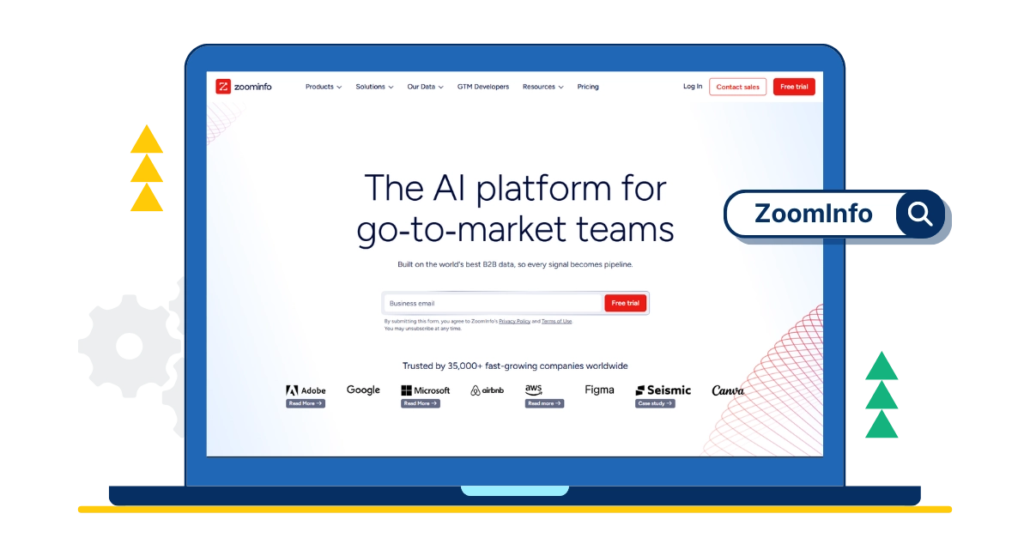
Most companies choose ZoomInfo because of its Workflows feature. This allows you to automate the entire “research-to-outreach” pipeline, ensuring that no qualified lead sits idle in your CRM for more than a few seconds.
3. LinkedIn Sales Navigator: The Warm Introduction Tool
The fastest way to close a deal is through a referral, and LinkedIn Sales Navigator is the premier tool for mapping shared networks. The Enterprise Edition offers “TeamLink,” which shows your reps exactly who in your company has a connection to a target prospect. Besides that, the advanced search filters let you save “Buyer Personas” so the platform alerts you the moment a new lead fits your ICP.
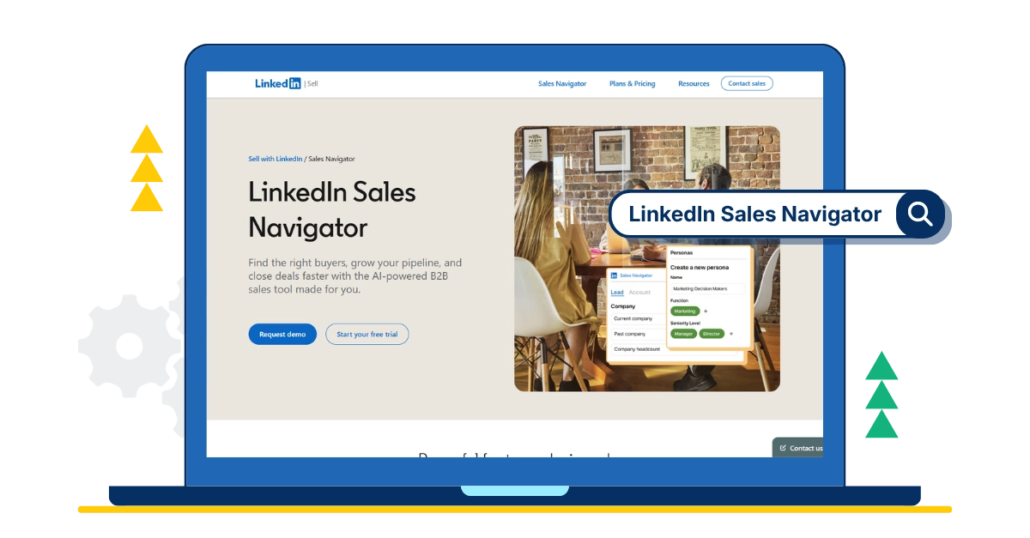
It is distinct because it leverages first-party social data that no other scraper can match. When speed is the goal, a warm introduction via TeamLink will always beat a cold email.
💡 Expert Tip: The 5-Minute Rule
Research shows that reaching out to a lead within five minutes of their initial engagement increases the likelihood of a conversion by nearly 900%. If your current lead generation tools don’t trigger a Slack or CRM alert for your reps immediately, you are effectively burning your marketing budget.
4. Lusha: Instant Accuracy for Direct Dials
Nothing kills pipeline velocity like a “wrong number” or a bounced email. Lusha focuses on one thing: providing the most accurate direct-dial mobile numbers in the industry. As a result, your reps spend less time navigating gatekeepers and more time speaking directly to decision-makers.
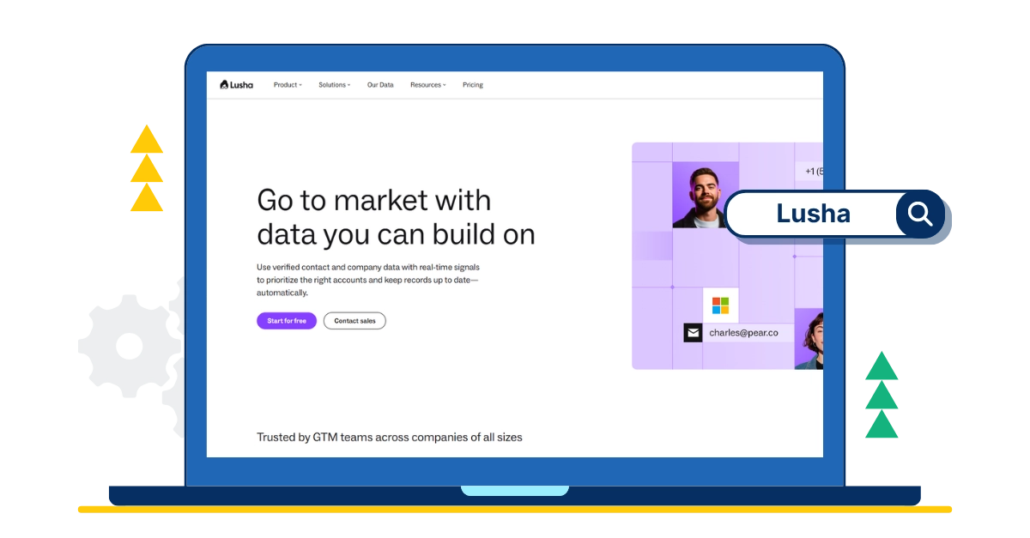
Lusha is the preferred choice for teams that rely heavily on cold calling and SMS outreach. Its browser extension works seamlessly over LinkedIn, allowing a rep to find a verified mobile number in a single click.
Discover the key features, benefits and advantages of multichannel marketing tools.
5. Cognism: Global Compliance and “Diamond” Data
If your enterprise operates globally, speed is often throttled by legal “red tape” like GDPR. Cognism solves this by providing “Diamond Data,” which are phone-verified records that have been scrubbed against global Do Not Call registries. Therefore, your team can move fast without the fear of compliance violations.
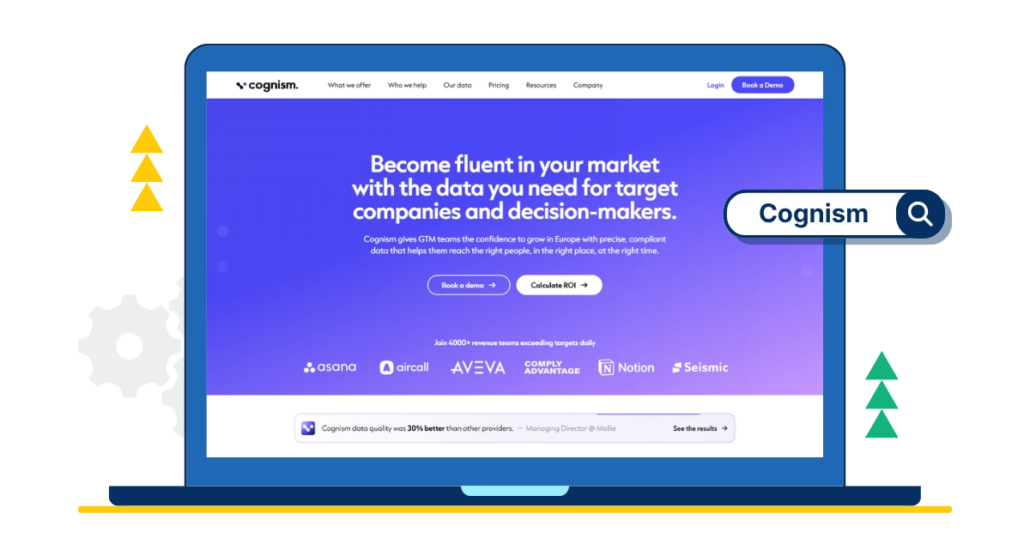
This tool stands out because of its Global Coverage. While many tools struggle with European or APAC data, Cognism maintains high accuracy levels across international borders.
6. Leadfeeder: Identifying the “Invisible” Pipeline
A massive portion of your potential revenue is currently visiting your website and leaving without filling out a form. Leadfeeder unmasks these anonymous visitors, telling you which companies are browsing your pricing page right now. This transforms passive interest into active sales opportunities instantly.
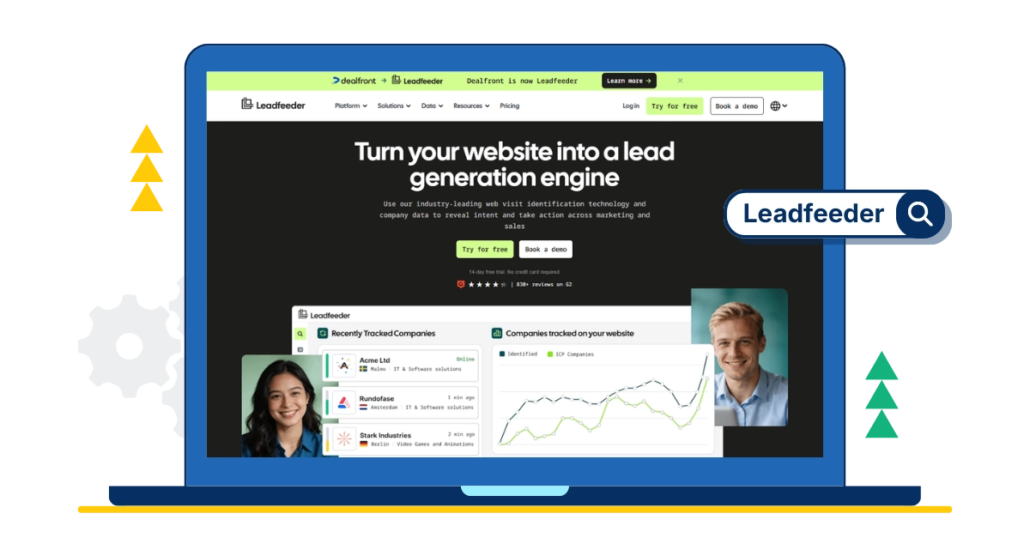
Leadfeeder is distinct because it focuses on Intent over Identity. It doesn’t just give you a name; it shows you exactly what content they consumed, allowing for a highly personalized and timely follow-up.
7. Clearbit: Real-Time Form Enrichment
Long lead forms are the enemy of conversion speed. Clearbit allows you to shorten your forms to just an email address field. As soon as a prospect types their email, Clearbit enriches the record with 100+ data points in the background.
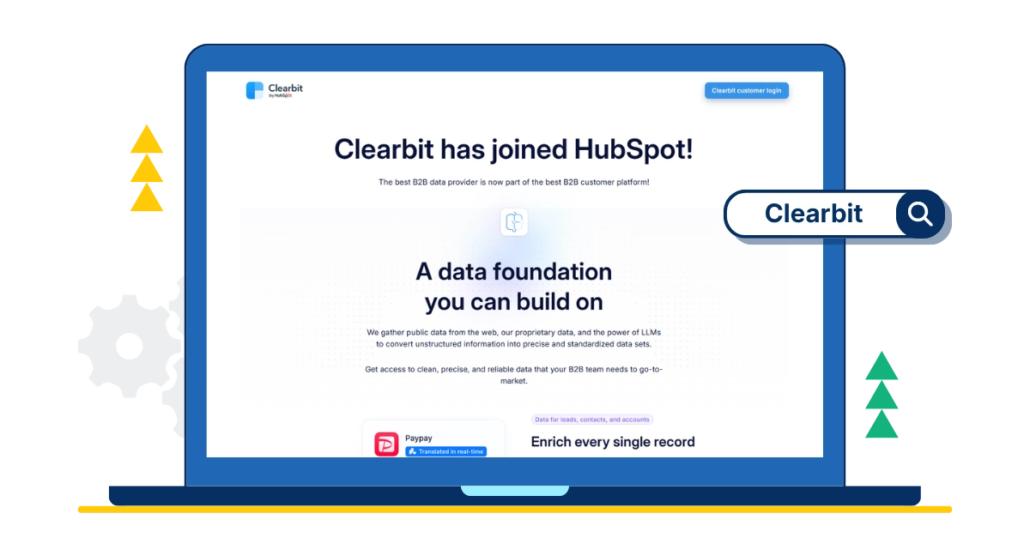
This tool is a favorite for RevOps managers who want to keep the top of the funnel friction-free while still capturing high-quality firmographic data for lead scoring.
Related: Best Marketing Tools to Boost Leads and Generate Sales
8. 6sense: Predictive ABM for High Stakes
If you want to know which deals are likely to close before the prospect even talks to you, 6sense is the answer. It uses AI to track “dark social” and anonymous research patterns across the web. This allows you to prioritize accounts that are already in a “buying cycle.”
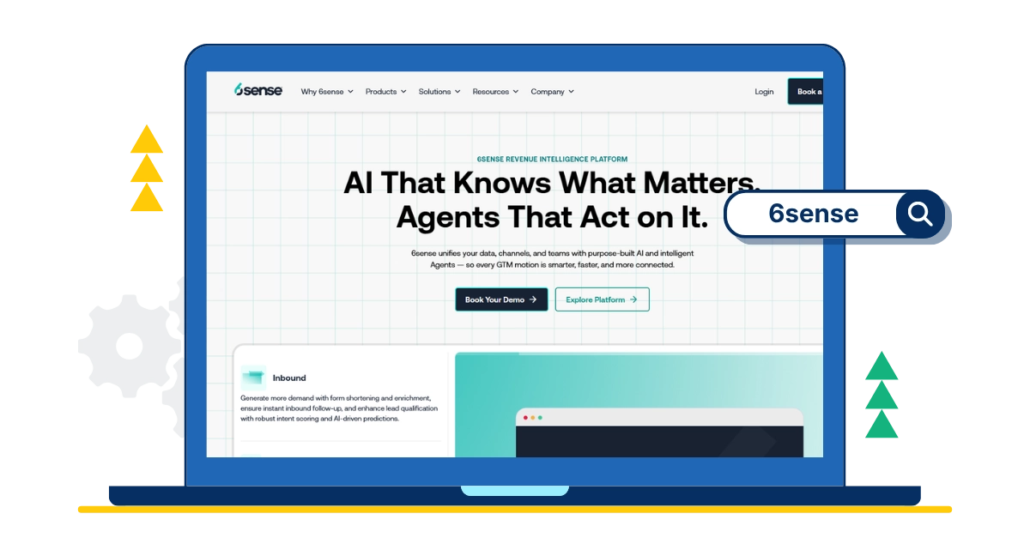
It differs from standard lead generation tools by offering Predictive Scoring. It tells your reps which accounts to ignore and which ones are “hot,” preventing wasted effort on dead-end leads.
9. Demandbase: Unified Account Intelligence
Demandbase is designed for the complex, multi-stakeholder deals typical of large enterprises. It unifies first-party data from your CRM with third-party intent signals. Most importantly, it uses AI agents to automate the “hand-off” between marketing and sales.
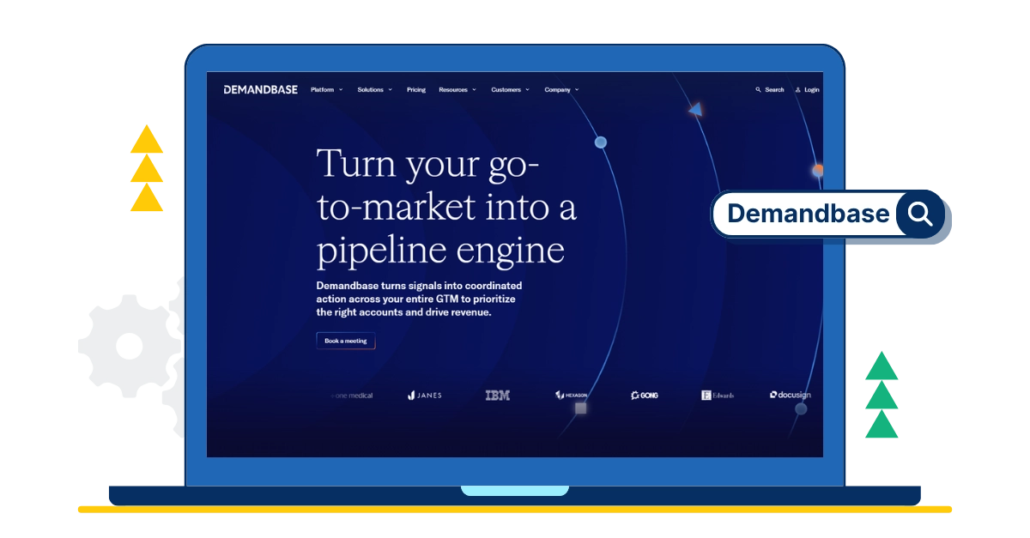
The “Engagement Minute” metric is what makes this tool unique. It measures the total time a target account spends with your brand, giving a clear signal of when a lead is “sales-ready.”
Conclusion
Building a high-velocity pipeline requires more than just a list of names; it requires the right best b2b lead generation tools to eliminate manual friction. By combining data-rich platforms like ZoomInfo with intent-driven tools like Leadfeeder, you can ensure your reps are always talking to the right people at the right time.
However, tools are only as effective as the people running them. If your team is struggling to keep up with the technical demands of a modern stack, it might be time to bring in the experts.
What is the most effective lead generation tool for B2B?
The most effective tool is one that integrates seamlessly with your CRM and provides real-time intent data. While software like ZoomInfo offers the best data scale, a partner like Callbox is often the most effective for actual revenue generation because they manage the execution.
Can I do lead generation for free?
You can use free versions of tools like Apollo or HubSpot, but for enterprise speed, these usually fall short. Free tools often lack the automation and data accuracy required to scale a mid-to-large sales team effectively.
Is automation or human outreach better for lead generation?
The most successful strategies use a hybrid approach. Automation handles the data gathering and initial triggers, while humans handle the high-value persuasion and qualification. Relying on 100% automation often leads to lower response rates due to “bot fatigue” among buyers.