What High-ROI Cybersecurity Event Marketing Looks Like
Discover cybersecurity event marketing strategies that drive attendance, engagement, and high-quality cybersecurity event sales leads.


Cybersecurity teams invest heavily in industry events across the USA and North America. Conferences, summits, executive forums, and webinars fill marketing calendars year-round. Attendance often looks strong, yet sales teams struggle to connect event activity to real pipeline outcomes.
Cybersecurity buyers attend events to reduce risk and validate decisions. They evaluate credibility, peer insight, and vendor maturity during limited attention windows. Cybersecurity event marketing strategies fail when teams focus on visibility instead of intent, qualification, and follow-through.
This guide outlines cybersecurity event marketing strategies that support pipeline before, during, and after events. Each section focuses on execution steps that improve meeting quality, opportunity creation, and revenue contribution.
Planning a cybersecurity event? See how to attract decision-ready attendees.
What This Guide Covers
Cybersecurity event marketing strategies work when events operate as full-funnel revenue programs rather than isolated brand activities. High-performing cybersecurity teams focus on targeted event selection, pre-event account outreach, onsite qualification, and structured post-event follow-up. Smaller executive-focused events, hybrid events and webinar marketing, and strong sales alignment outperform large booth-led approaches. Revenue impact depends on capturing buyer intent and converting event engagement into qualified meetings, pipeline, and long-term customer value across the USA and North America.
Why Event Marketing Still Works for Cybersecurity Companies
Cybersecurity buying cycles involve multiple stakeholders and long evaluation periods. Buyers face pressure from regulators, boards, and customers to reduce exposure while maintaining operational stability. Events help build trust by enabling direct interaction with peers and subject-matter experts.
Events work because buyers self-identify intent through registration, session attendance, and meeting requests. These behaviors signal active evaluation rather than passive interest. When teams capture and act on these signals, events contribute meaningfully to pipeline.
Industry benchmarks show B2B technology buyers attend several cybersecurity events each year. These include large conferences, regional forums, and closed-door executive sessions. Results depend on execution discipline, not event size.
Do cybersecurity events still work in North America?
Yes. Cybersecurity events continue to perform well across North America when teams align targeting, messaging, and follow-up. Poor results usually stem from weak pre-event planning or inconsistent post-event execution, not declining buyer interest.
Related: Benefits of Outsourcing Event Marketing Services
Cybersecurity Event Marketing Trends Shaping 2026
Cybersecurity event marketing trends show a clear shift toward focus, relevance, and buyer experience. Teams prioritize quality conversations over broad exposure. This trend reflects buyer fatigue with generic vendor messaging.

Smaller, Targeted Events Drive Better Conversations
Executive dinners, roundtables, and invite-only briefings consistently outperform large booths. These formats allow CISOs and security leaders to exchange real experiences without distractions. Smaller settings also enable deeper qualification and stronger relationship building.
Hybrid Events Extend Reach and Lifespan
Cybersecurity event and webinar marketing now function as a single motion. Teams host in-person sessions, then extend value through virtual briefings and on-demand content. This approach increases reach while preserving the credibility of live engagement.
Sales Alignment Determines ROI
Events underperform when marketing operates in isolation. Sales involvement before, during, and after events improves meeting quality and conversion. Alignment ensures event engagement flows directly into pipeline.
Follow-Up Determines Revenue Impact
Event interest fades quickly without structured follow-up. Teams that respond late or with generic messaging lose buyer attention and momentum. Timely, relevant outreach protects event investment.
See how Callbox brings more webinar registrations for a cybersecurity firm.
How to Choose the Right Cybersecurity Events
Not every event supports revenue goals. Selection discipline improves outcomes and reduces wasted spend.
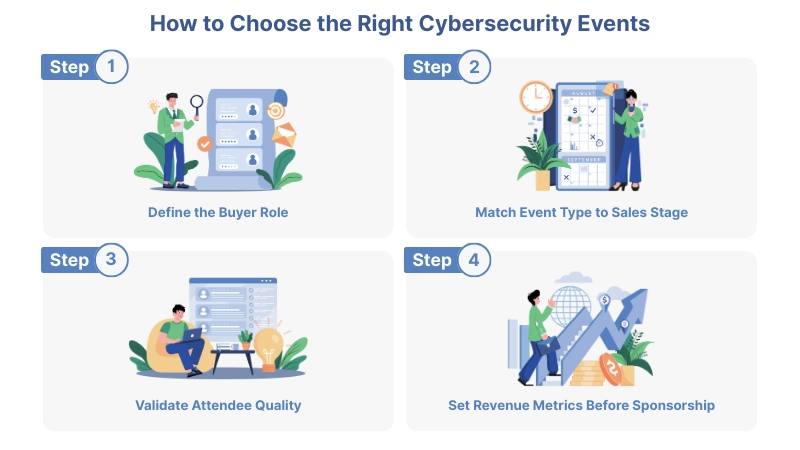
Step 1: Define the Buyer Role
Clarify which roles you target, such as CISOs, security architects, IT directors, or compliance leaders. Each role attends events for different reasons and evaluates value differently. Reviewing agendas and speaker profiles helps confirm alignment.
Step 2: Match Event Type to Sales Stage
Educational conferences support early-stage engagement and awareness. Executive forums and private sessions support late-stage validation and deal progression. Matching event type to sales stage improves conversion rates.
Step 3: Validate Attendee Quality
Request historical attendee data before committing budget. Look for enterprise organizations, regulated industries, and regional relevance. High-quality attendance matters more than volume.
Step 4: Set Revenue Metrics Before Sponsorship
Define success metrics before signing sponsorship agreements. Establish targets for meetings booked, opportunities created, and pipeline influenced. Clear benchmarks guide execution and accountability.
How do cybersecurity teams measure event ROI?
Teams measure ROI by tracking qualified meetings, opportunities created, pipeline influenced, and closed revenue tied to event engagement. Vanity metrics like badge scans provide limited insight.
Turning cybersecurity events into revenue opportunities takes more than sign-ups.
Pre-Event Cybersecurity Event Marketing Strategies
Strong outcomes start well before the event begins. Preparation determines meeting quality and attendance relevance.
Build a Target Account List
Segment accounts by industry, company size, regulatory exposure, and known security initiatives. Focus on organizations with active risk management priorities. Targeted lists improve outreach effectiveness and meeting conversion.
Run Coordinated Multi-Channel Outreach
Use email, LinkedIn, and phone outreach to invite prospects to sessions or private meetings. Messaging should focus on risk exposure, compliance pressure, or operational impact. Consistent messaging across channels reinforces credibility.
Promote Education Instead of Products
Session titles and invitations perform better when they address threat trends or regulatory change. Buyers respond to insight, not features. Education builds trust before sales conversations begin.
Secure Meetings in Advance
Pre-booked meetings reduce dependence on booth traffic and chance encounters. Teams that schedule meetings before events report higher conversion and follow-through. Advance scheduling also improves sales preparation.
Should cybersecurity teams use outbound to promote events?
Yes. Direct outreach improves attendance quality and meeting volume. Structured outreach helps teams connect with buyers who already show interest before events begin.
Related: Top Lead Generation Companies for Cybersecurity
Onsite Event Marketing Strategies That Convert Attention
Onsite execution shapes buyer perception and future engagement. Every interaction should support qualification and next steps.
Prioritize Conversations Over Badge Scans
Train teams to engage in structured conversations rather than collecting scans. Conversations surface intent, priorities, and timelines. Scans without context create follow-up noise.
Use Simple Qualification Questions
Ask about current security challenges, active initiatives, and decision timelines. These questions uncover buying intent without pressure. Consistent qualification improves follow-up relevance.
Capture Intent Signals in Real Time
Log notes and outcomes in your CRM during the event. Immediate documentation preserves accuracy and context. Delayed entry reduces follow-up quality.
How should sales behave at cybersecurity events?
Sales teams should listen, qualify interest, and secure next steps. Consultative behavior builds trust and keeps conversations productive.

Integrating Cybersecurity Event and Webinar Marketing
Virtual programs extend event value beyond physical attendance. Integration improves reach and lifecycle impact.
Repurpose Event Sessions Into Webinars
Turn high-performing sessions into post-event webinars. Invite attendees and prospects who could not attend. Repurposing maximizes content investment.
Segment Webinar Follow-Up
Tailor outreach based on attendance, questions asked, and engagement level. Segmented follow-up improves response and meeting rates. Generic messaging reduces impact.
Use Webinars for Late-Stage Validation
Live Q&A sessions help buyers confirm fit and resolve concerns. Webinars support final decision-making and stakeholder alignment.
Are webinars effective for cybersecurity buyers?
Yes. Attendance remains strong when topics address immediate threats, compliance deadlines, or operational risk. Relevance drives engagement.
Discover how to boost your revenue with webinar and virtual event marketing.
Post-Event Follow-Up Strategies That Drive Revenue
Most cybersecurity event marketing strategies fail after the event. Follow-up execution determines revenue impact.
Follow Up Within 48 Hours
Fast follow-up reinforces relevance and professionalism. Buyers recall conversations more clearly within this window. Delays weaken momentum.
Personalize Every Touchpoint
Reference sessions attended, discussions held, and stated challenges. Personalization signals attention and respect. Buyers disengage from generic messages.
Align Follow-Up to Buyer Stage
Early-stage prospects receive educational content and insights. Late-stage prospects receive meeting requests and validation materials. Stage alignment improves response rates.
Scale Follow-Up Without Losing Quality
Sales teams struggle to follow up at scale after events. Callbox accelerates revenue by engaging prospects after brand awareness and converting them into qualified meetings, closed deals, and loyal customers. Once customers are acquired, we don’t stop. Callbox then nurtures them into repeat business, advocacy, referrals, and expansion opportunities, feeding revenue back into the top of the funnel. This creates a self-reinforcing growth engine that continuously scales pipeline, accelerates sales, and maximizes customer lifetime value.
What follow-up cadence works best after cybersecurity events?
Three to five touches across two weeks maintain momentum while respecting buyer attention. Consistency matters more than volume.
Related: How Poor Follow-Ups Can Sabotage Your Lead Gen
Event Marketing Strategies by Cybersecurity Buyer Role
Different roles evaluate value through different lenses. Messaging must reflect responsibility.

CISOs and Security Leaders
Focus on risk reduction, governance, regulatory exposure, and peer benchmarks. Strategic framing resonates with executive priorities.
Security Architects and Engineers
Focus on integration, deployment clarity, and technical alignment. Detailed answers build confidence and trust.
Compliance and Risk Teams
Focus on audit readiness, reporting confidence, and regulatory alignment. These teams value predictability and documentation.
How should messaging differ by buyer role?
Each role values outcomes tied to accountability. Tailored messaging improves engagement and meeting acceptance.
Related: Cybersecurity Lead Generation Strategies
Tools That Support Cybersecurity Event Marketing
Technology supports execution, tracking, and optimization.
CRM and Marketing Automation Platforms
Salesforce and HubSpot support event tracking, segmentation, and follow-up workflows. Integration ensures visibility across teams.
Event Management Platforms
Cvent and Bizzabo manage registration, attendance, and engagement data. Clean data improves targeting and measurement.
Sales Engagement Tools
Outreach and Salesloft support structured post-event sequencing. These tools help sales teams maintain consistency.
Revenue Execution Support
Callbox supports event-driven programs through data enrichment, qualification, and multi-channel follow-up, connecting event interest directly to sales outcomes.
A cybersecurity firm boosts growth with Callbox’s 6-month ABM program.
Common Cybersecurity Event Marketing Mistakes
Avoid these execution gaps to protect ROI.
Treating Events as Standalone Tactics
Events must connect to broader pipeline and revenue strategy. Isolation limits impact.
Overstaffing Without Clear Roles
More staff does not improve outcomes without defined responsibilities. Role clarity improves execution.
Ignoring Regional Differences
North America buyers differ by industry and regulation. Messaging must reflect local realities.
Skipping Post-Event Nurture
Most lost revenue traces back to inconsistent or delayed follow-up. Nurture protects investment.
Related: 12 Cybersecurity Marketing Challenges and Solutions
Building a Scalable Cybersecurity Event Marketing Playbook
Consistency creates predictable results.
Document Every Stage
Standardize pre-event planning, onsite execution, and post-event follow-up. Documentation improves repeatability.
Assign Clear Ownership
Marketing owns promotion. Sales owns meetings. Revenue teams track outcomes. Ownership prevents gaps.
Review Results Quarterly
Evaluate event performance regularly. Refine selection, messaging, and execution based on data.
How long does it take to see ROI from cybersecurity events?
Pipeline influence appears within weeks. Closed revenue follows longer sales cycles.
Key Takeaways
Cybersecurity event marketing strategies succeed when teams treat events as pipeline engines rather than visibility plays. The most effective approaches focus on choosing the right events, engaging target accounts before the event, qualifying buyer intent during conversations, and executing fast, personalized follow-up. Smaller executive events and integrated webinar programs outperform large conferences when paired with disciplined sales alignment. Revenue comes from converting event interest into meetings, opportunities, and long-term customer relationships.
Final Thoughts on Cybersecurity Event Marketing Strategies
Cybersecurity buyers demand relevance, trust, and timely engagement. Events support revenue when teams treat them as full-funnel programs.
Cybersecurity event marketing strategies succeed when outreach, qualification, and follow-up operate as one system across the USA and North America.
When internal teams lack the bandwidth to execute at scale, Callbox operates as a revenue extension, ensuring event-generated interest converts into meetings, opportunities, and long-term customer value.


