8 Ways B2B Firms Choose the Right Accounting Software
Discover how B2B accounting software companies in Singapore and APAC can boost leads with targeted advertising strategies.

Spreadsheets and manual processes no longer meet the demands of modern B2B operations in Singapore and APAC as a whole. Companies now expect real-time visibility, stronger financial control, and seamless integration across finance, HR, CRM, and sales.
Cloud-based accounting and bookkeeping software play a central role in enabling these capabilities. To stay competitive, providers are turning to advertising solutions for accounting software that effectively communicate these benefits and connect with decision-makers.
This shift has intensified competition among providers. Listing features or offering demos isn’t enough. Success requires a lead generation strategy tailored for software companies, one that aligns with buyer intent, delivers value at every touchpoint, and builds trust early.
So, what really drives accounting software buyers today? And how can providers sharpen their advertising strategies to reach a more selective, tech-savvy audience?
This blog breaks down what today’s B2B accounting software buyers are looking for and offers practical strategies to refine your marketing, messaging, and lead generation efforts in a competitive market.
Looking for accounting software buyers?
What is Accounting Software and What Does it Do?
Accounting software is a digital tool that enables businesses to manage and automate financial functions like invoicing, general ledger entries, budgeting, tax preparation, and reporting. These platforms reduce human error, cut costs, and help businesses make informed decisions faster.
There are multiple types of accounting platforms, including:
- Bookkeeping software for transaction management and daily operations,
- Accounting software, cloud-based solutions for remote access and automation, and
- Online accounting software with modular features for growing enterprises.
The global accounting software market is expected to reach USD 29.8 billion by 2030, growing at a CAGR of 11.4% between 2023 and 2030. This growth is largely driven by small and medium-sized businesses shifting to cloud-based solutions and looking for real-time financial visibility.
Knowing what drives buying decisions helps you improve your advertising and turn cold leads into loyal customers.
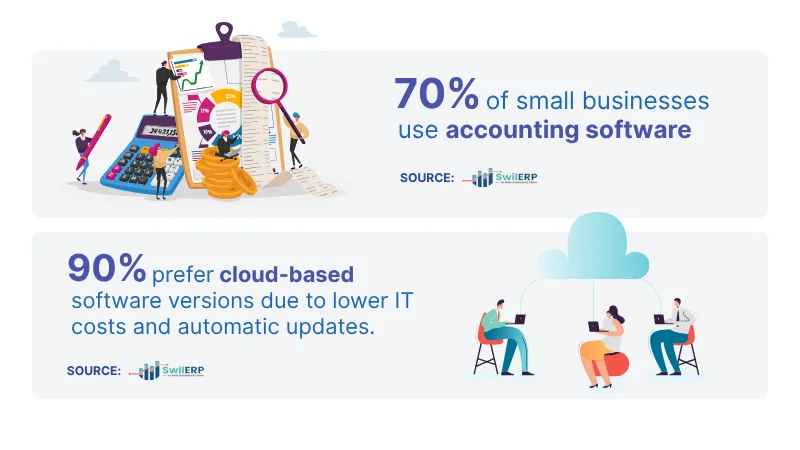
According to research, 70% of small businesses use accounting software, and 90% prefer cloud-based versions due to lower IT costs and automatic updates.
Why Does Your B2B Business Need Accounting Software?
Whether you’re running a startup or a multinational enterprise, the benefits of accounting software extend far beyond compliance. It offers visibility, control, and intelligence that can make or break your company’s financial health.
Selling your enterprise software product? Discover effective SaaS Marketing and Sales Approaches in Asia Pacific.
Why Your Business Needs Accounting Software
Companies now use modern accounting software to boost transparency, meet regulations, and stay agile. Backed by data, these eight reasons explain the shift to smarter, cloud-enabled financial tools:
1. Real‑Time Financial Insights
Traditional accounting systems often leave you chasing yesterday’s numbers. Accounting software cloud-based platforms, however, deliver real-time dashboards that update with every transaction on any device.
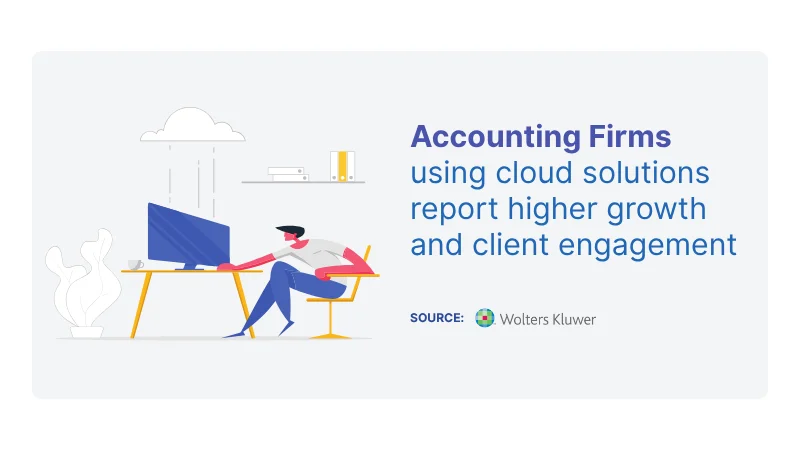
According to the research, firms using cloud solutions report significantly higher growth and client engagement (“Accounting firms employing cloud-based technology solutions experience higher levels of growth”).
2. Automated Tax Filing
Manual tax entries are laborious and error-prone. AI-powered tools in top financial software now automate data capture, deductions, and e-filing, reducing human errors and slashing preparation times.
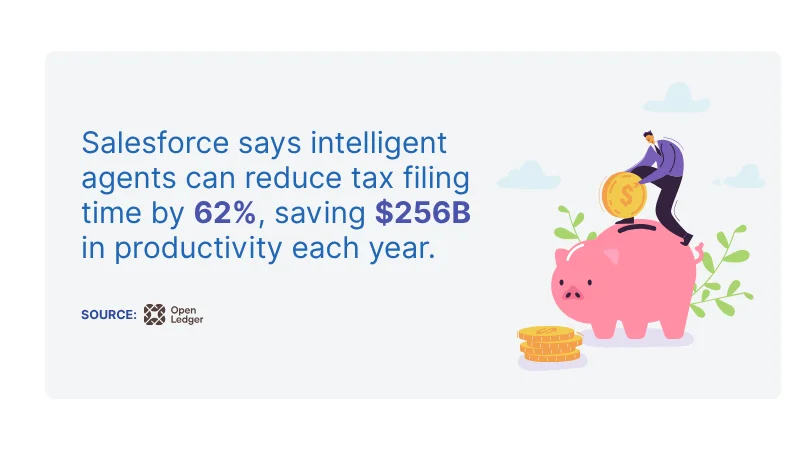
Salesforce data shows intelligent agents can cut tax filing time by 62%, saving an estimated $256 billion in productivity annually.
3. Improved Cash Flow
Efficient cash flow is essential, especially for SMBs. Bookkeeping software with automated bank feeds, invoicing reminders, and cash flow forecasting helps avoid overdrafts and optimize resource allocation.
Finances Online reports that 58% of enterprises use cloud accounting solutions, while 75% of firms using more than one cloud feature experienced profit growth in the past year.
4. Business Scalability
Old systems can slow growth. Cloud-based accounting software makes it easy to scale with new users, features, or integrations as your business grows.
Research indicates that the cloud accounting market is projected to reach US$9.43 bn by 2033, growing at a CAGR of 6.1%, underpinning healthy, scalable adoption.
5. Multi‑Currency Transactions
Global operations demand accurate multi-currency handling. Modern accounting platforms automatically sync exchange rates and report gains/losses, ensuring compliance and transparency.
Personiv notes that 70% of accounting firms used cloud-based software by 2020, including multi-currency support, enabling efficient international reporting.
6. Integrated HR Functions
Integrating HR tools like benefits and expenses with cloud accounting software removes data silos and boosts teamwork between HR and finance. AI-powered tax tools also make compliance easier, so teams can focus on more strategic tasks.
7. Secure Data Management
Security is non-negotiable. Cloud-based financial software helps protect your data with encryption, automatic backups, and compliance with standards like GDPR, SOC 2, and ISO.
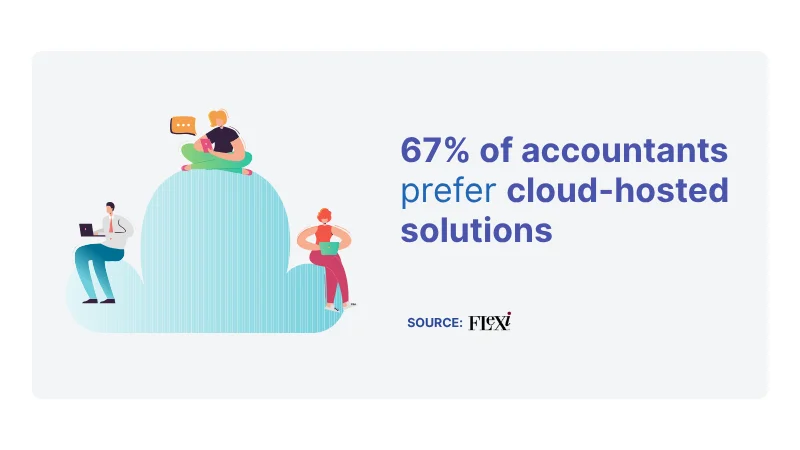
Cloud adoption surveys show 67% of accountants prefer cloud-hosted solutions, driven largely by the decreased labor and improved data security, resulting in up to 50% cost savings.
8. Custom Reporting
Spreadsheets are no longer enough. Modern accounting platforms offer real-time dashboards that track key metrics like cash burn, margins, and program spending.
Research shows businesses using cloud accounting gain 5× more clients and 15% year-over-year revenue growth compared to peers relying on non-cloud tools.
See how our data-driven marketing helps finance software companies grow.
Factors to Consider When Choosing Accounting Software
While software may look similar on the surface, buyers examine several deeper criteria before making a decision. Based on data from industry reports, here are the most important selection factors:
Online vs. Desktop
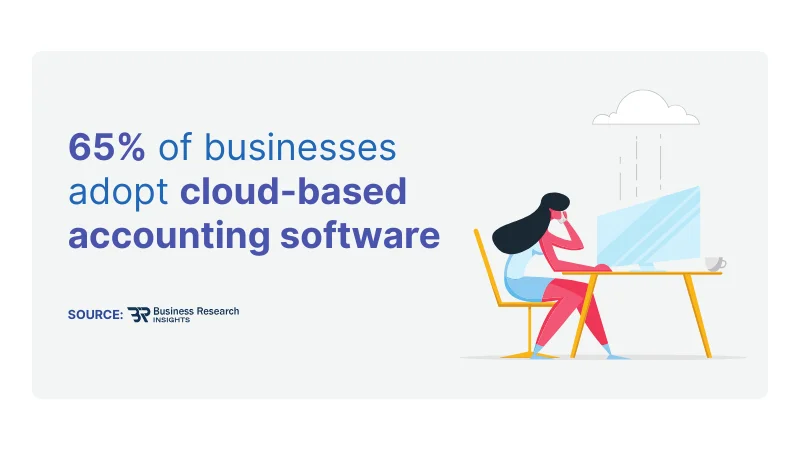
65% of businesses adopt cloud-based accounting software. The SMB and SME accounting software market with cloud-based solutions has grown significantly, reflecting strong adoption post-pandemic
Selecting between cloud-based and desktop accounting software is an important decision for both software buyers and HR leaders. It impacts collaboration, data security, and your ability to scale in a fast-moving business environment.
Cost
51% of SMBs hesitate to adopt due to cost concerns. SMB Group survey revealed that small businesses with 1–19 employees don’t use any accounting software, often citing budget constraints as a key reason.
Features
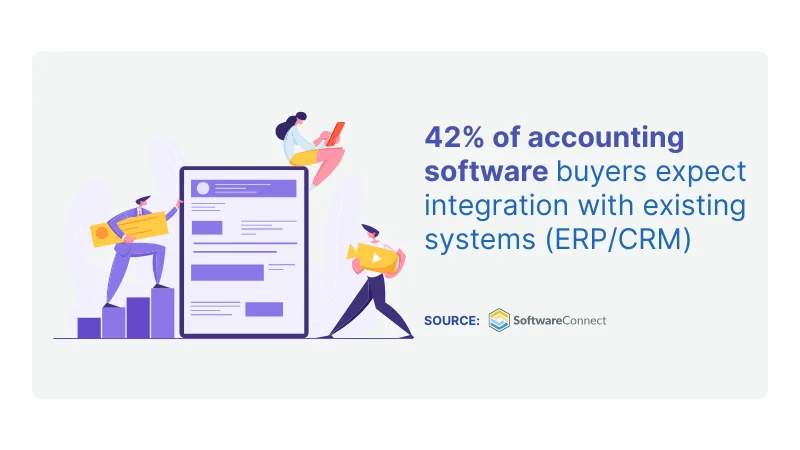
42% of accounting software buyers expect integration with existing systems (ERP/CRM). Buyers found that seamless integration with existing finance systems significantly influences purchasing decisions.
Find out how Callbox ABM generated 85 sales appointments for an Accounting Firm in Singapore
Support
Financial software buyers regret their purchase due to poor onboarding or support. 70% of buyers in finance regret their software selection, often pointing to implementation/support challenges.
Difficulty Level
Most solopreneurs still manage books manually; adoption increases sharply as complexity grows. Research found 42% of solopreneurs don’t use software, but software usage rises to nearly 100% in firms with 20+ employees, showing complexity drives adoption.
Free Trial

30-day free trials convert at up to 56%; 7-day trials convert at ~20%. Research says that these trials had the highest conversion rate (56%), with shorter trials around 20–35%
Security
Software buyers are dissatisfied post-purchase due to unexpected security and cost issues. A report indicates 60% of buyers experience regret, often linked to security or unforeseen costs.
No‑Contract Flexibility
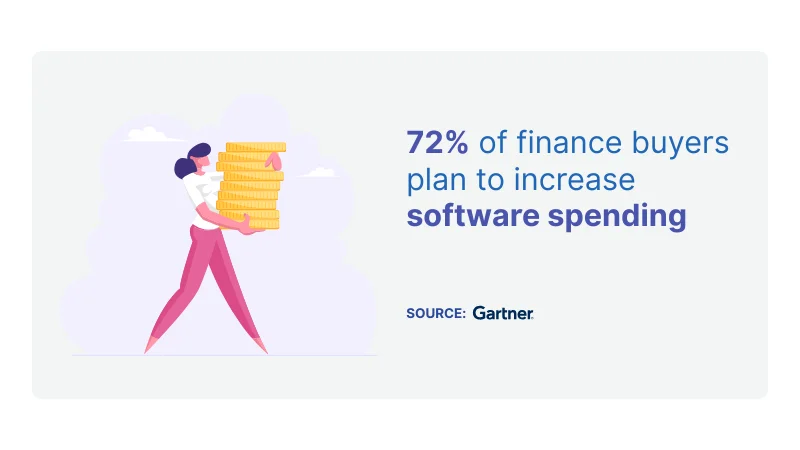
72% of finance buyers plan to increase software spending, but 41% struggle with selecting security-compliant options. Survey shows buyers need flexibility and assurances; they want to commit but avoid long-term risk.
Additional Features Your Accounting Software Should Have
Beyond the basics, software buyers now expect robust functionality tailored to their industry and team structure. Some critical features include:
- Multi-user access and role-based permissions
- Mobile access for on-the-go expense management
- AI-driven forecasting and analytics
- Real-time dashboards
- Customizable invoice and quote templates
- Bank reconciliation automation
- Integration with CRMs, ecommerce, and HR tools
- Full audit trail logs for compliance
Factors When Choosing Business Accounting Software
If you’re leading finance, HR, or a business, the right accounting software makes it easier to manage money and grow over time.
Here are the key factors to look for in a reliable, scalable accounting solution.
1. Budget
Look beyond the base price. Ongoing costs like support, upgrades, and integrations can add up. Small and midsize businesses spend about $7,900 per employee each year on SaaS tools, including accounting software. Choose a platform with clear pricing, flexible plans, and upgrade options that grow with your business.
2. Integration
Your accounting software should connect easily with tools like CRM and HR. Seamless integration reduces errors, saves time, and improves reporting accuracy. A well-integrated system becomes a central hub, not a standalone tool.
3. Compatibility
Make sure the software works across devices—Windows, Mac, tablets, and smartphones. Cloud-based platforms offer consistent access without complex setups, helping teams stay productive with real-time visibility.
4. Security
Security is critical. Look for features like encryption, role-based access, and multi-factor authentication. With financial data targeted every 39 seconds (Verito), platforms must also offer automatic backups and comply with standards like SOC 2, GDPR, or ISO.
5. Customer Support
Good support matters. Users want 24/7 chat, phone help, and training resources. Fast, helpful support improves user adoption and satisfaction. For vendors, offering demos and onboarding tools builds trust and turns leads into loyal customers.
Conclusion
Choosing accounting software is more than a technical decision. It is a strategic investment that affects financial visibility, team productivity, and future growth. In a competitive market, B2B buyers are leaning toward cloud-based solutions because of their flexibility, real-time access, and lower IT costs. Key buying factors include transparent pricing, essential features, ease of use, and strong data security.
To stand out, vendors must take a trust-first approach to advertising accounting software. This means offering clear comparisons, free trials, and proof of value through case studies, ROI calculators, and customer testimonials. When you provide upfront value and clarity, buyers are more likely to choose your platform with confidence.