





You’re dialing. Again. The phone rings, goes to voicemail, again. Your CRM has 300 contacts sitting in a stale list, your follow-up tasks are piling up, and your manager wants to know why the pipeline isn’t moving.
Here’s the hard truth: the problem usually isn’t your pitch. It’s the process, or the lack of one. Too many sales teams are still running cold calling like it’s 2010: manual dialing, scattered notes, and gut-feel prioritization. Meanwhile, the reps who are actually booking meetings aren’t working harder. They’re working with smarter tools.
The difference between a rep who hits quota and one who doesn’t often comes down to one thing: whether their CRM for cold calling is doing the heavy lifting or adding to the chaos.
So, what does the right setup actually look like? How do you choose the best cold calling software for your team? And how do you turn your outbound engine into something that consistently delivers?
That’s exactly what this sales guide covers. By the end, you’ll know which sales CRM platforms are leading the pack in 2026, which tools belong in your stack, and how to use them to improve every metric that matters, from pickup rate to call-to-meeting ratio to closed revenue.
If your CRM isn’t driving meetings, it’s slowing you down.
Why Your Sales CRM Should Be Built for Cold Calling
Most generic CRMs are designed for pipeline management, not for the high-volume, fast-paced demands of outbound calling. A true sales CRM built for cold calling should do more than log contacts. It should help you prioritize who to call, when to call them, what to say, and what happens after the call, automatically.
If your team is still manually dialing, copy-pasting notes, or chasing follow-ups through spreadsheets, you’re losing hours every week that should be going toward conversations and conversions.
The right cold calling software closes that gap.
The Best CRM for Cold Calling in 2026
Here’s a look at the top platforms leading outbound teams are using right now:
1. Salesforce Sales Cloud + Dialers
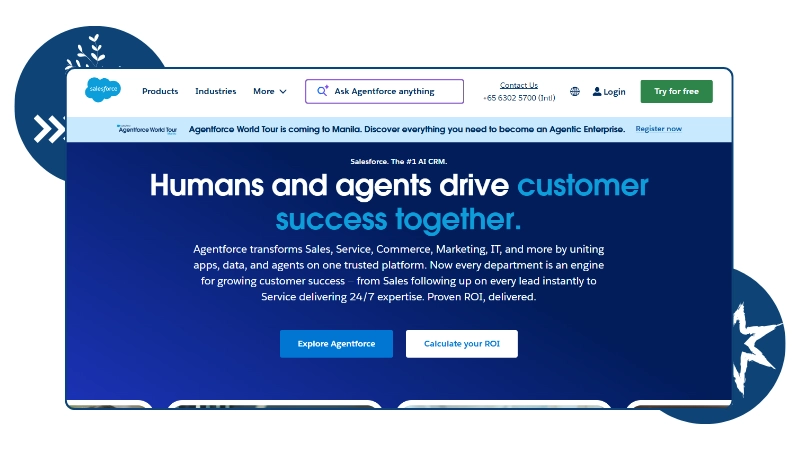
Salesforce remains the gold standard for enterprise pipeline management and CRM integration. When paired with a native or third-party power dialer, it gives your team a complete view of every lead’s history, touchpoints, and status, all in one place. Its workflow automation capabilities mean your reps spend less time on admin and more time actually selling.
Best for: Large enterprise sales teams with complex pipeline structures.
2. HubSpot CRM + Calling
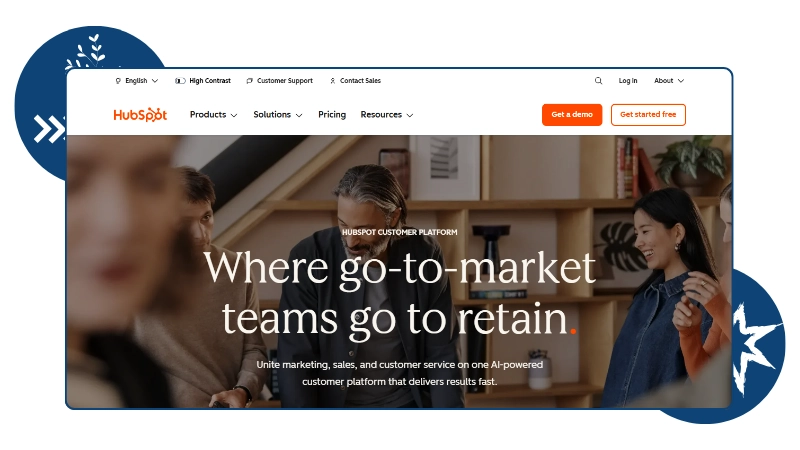
HubSpot‘s built-in calling feature with click-to-call, automatic call logging, and call recording makes it a strong choice for mid-market teams. Its CRM segmentation tools let you build targeted call lists based on behavior, lifecycle stage, or custom properties — so you’re always calling the right people at the right time.
Best for: Growing B2B teams looking for an all-in-one platform without steep learning curves.
3. Salesloft
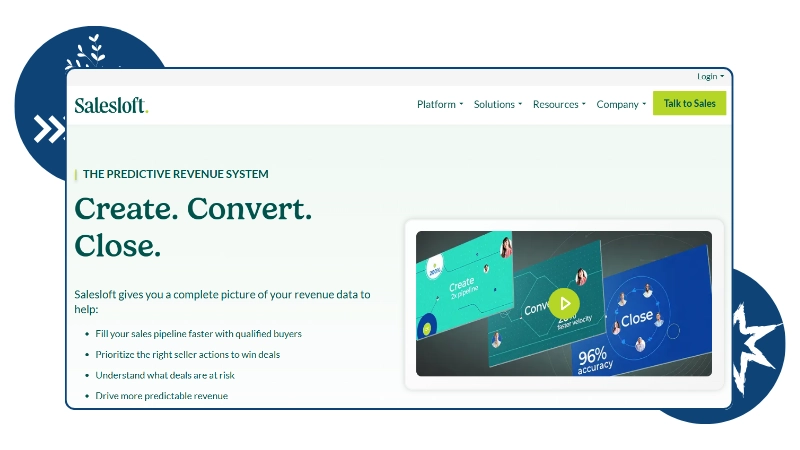
Salesloft goes beyond CRM into full multi-channel sequences, combining calls, emails, and LinkedIn touchpoints into a single cadence. Its conversation intelligence and AI call summaries help managers coach reps faster, while objection handling prompts give reps real-time guidance during live calls.
Best for: SDR teams running structured outbound cadences with coaching needs.
4. Outreach.io
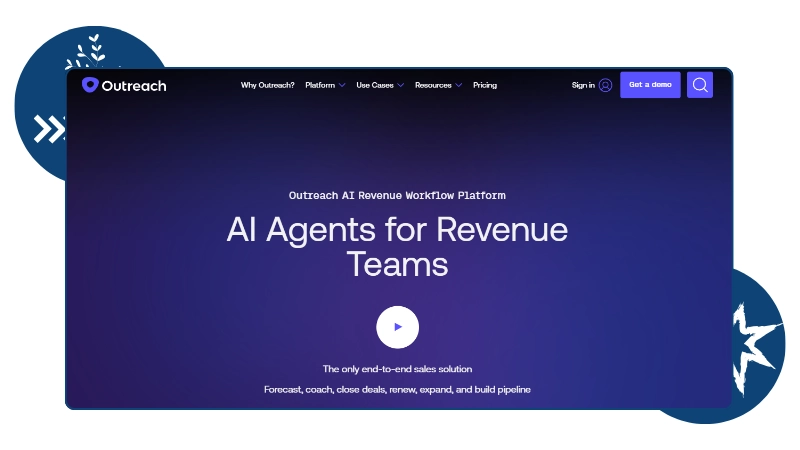
Outreach is purpose-built for outbound. It offers AI lead scoring, sentiment analysis, real-time transcription, and follow-up automation, all integrated with your CRM. The platform’s call analytics dashboard gives you a granular view of what’s working and what’s costing you deals.
Best for: Data-driven sales orgs that want AI-powered insights baked into every step of the process.
5. Aircall
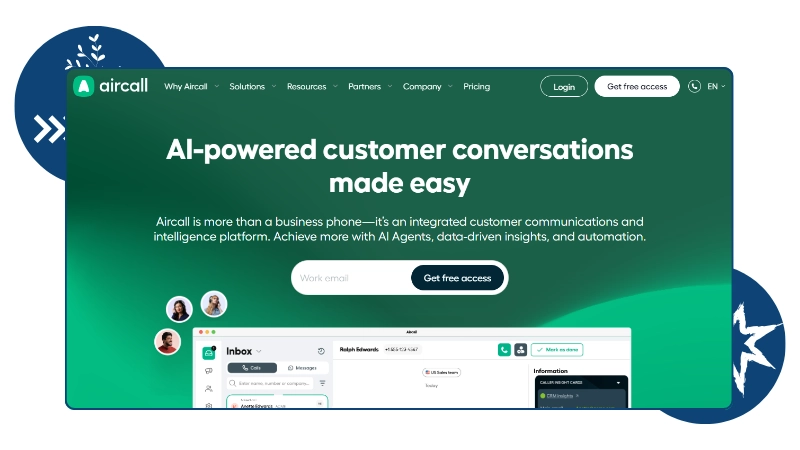
Aircall is a cloud-based VoIP calling platform that integrates seamlessly with most major CRMs. It supports local presence dialing, voicemail drop, call routing, and power dialer functionality. It’s particularly strong for teams that need flexibility across time zones and geographies
Best for: Remote or distributed sales teams needing reliable cloud calling infrastructure.
6. Kixie
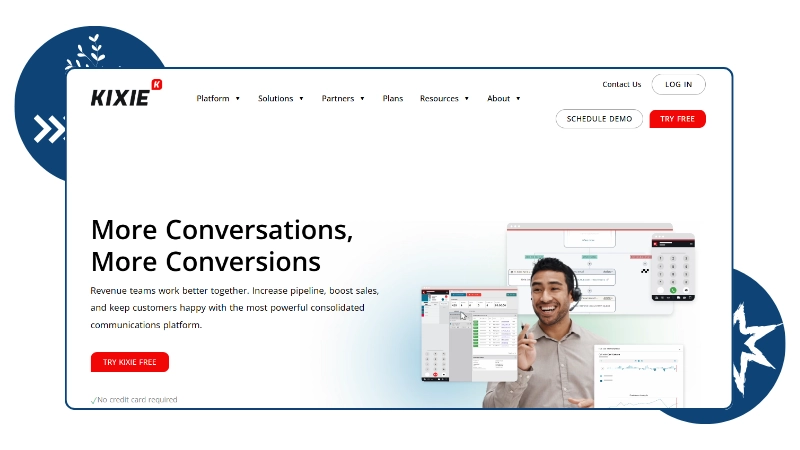
Kixie is one of the most rep-friendly automated cold calling systems available. Its parallel dialing feature allows reps to dial multiple numbers simultaneously and only connects them when a live person answers, dramatically cutting wait time and boosting sales productivity. It also handles TCPA compliance and DNC scrubbing automatically.
Best for: High-volume outbound teams prioritizing call volume and compliance.
Building this stack in-house can take months. Partner with experts who already have the infrastructure in place.
Essential Tools to Layer Into Your Stack
Beyond your core CRM, a few additional tools can significantly sharpen your outbound results:
- AI Voice Agents handle initial outreach at scale, qualifying leads before a human rep ever gets involved, useful for top-of-funnel filtering and lead qualification.
- Predictive dialers use algorithms to forecast when a rep will finish a call and queue the next one automatically, maximizing talk time and reducing idle time between dials.
- Contact enrichment tools (like Clearbit or ZoomInfo) keep your CRM data clean and current, so your reps are always calling verified, up-to-date contacts, which directly improves your pickup rate optimization.
- SHAKEN/STIR authentication helps your calls actually get answered by verifying your caller ID as legitimate, critical in an era when spam-flagged numbers get ignored.
How to Improve Cold Calling Efficiency Using CRM Software
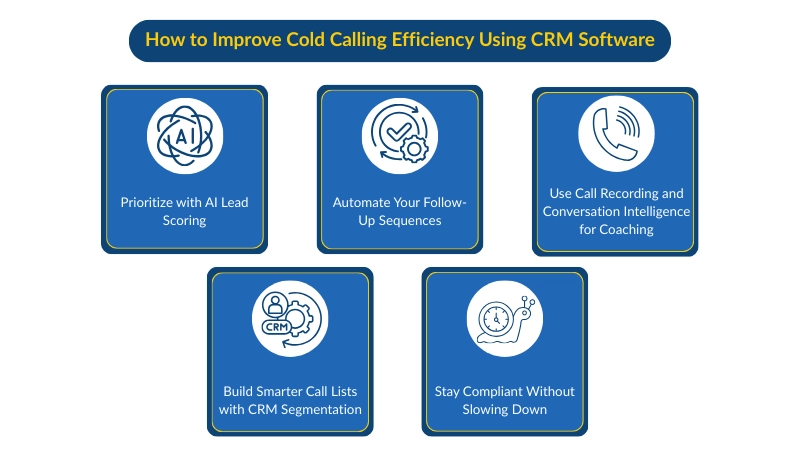
Having the right tools is one thing. Knowing how to use them is another. Here are the core strategies that high-performing outbound teams use to get the most from their CRM for cold calling:
Prioritize with AI Lead Scoring
Stop calling your list top-to-bottom. Use AI lead scoring to identify your highest-intent prospects first. When your reps start each day knowing exactly who is most likely to convert, your conversion rate climbs, without increasing headcount.
Automate Your Follow-Up Sequences
Most deals don’t close on the first call. Follow-up automation ensures no lead falls through the cracks by triggering emails, tasks, or next-call reminders based on call outcomes, all logged automatically in your CRM.
Use Call Recording and Conversation Intelligence for Coaching
Call recording paired with conversation intelligence lets managers review real calls, spot patterns, and deliver targeted coaching. Over time, this creates a feedback loop that continuously lifts rep performance across the team.
Build Smarter Call Lists with CRM Segmentation
Use CRM segmentation to build tightly targeted call lists by industry, company size, geography, or engagement history. The more relevant your list, the higher your high-intent targeting accuracy — and the more productive every calling block becomes.
Stay Compliant Without Slowing Down
B2B calling compliance is non-negotiable. Use tools with built-in DNC scrubbing and TCPA compliance features so your team can dial confidently without legal exposure. Compliance doesn’t have to be a bottleneck — the right CRM makes it automatic.
See how an AU Security Firm Gets 1,800+ Sales Appointments from 18-Month Callbox Campaign
What to Look for in a Cold Calling CRM
When evaluating any platform, prioritize these must-have capabilities:
- Automatic call logging, no manual entry, zero missed notes
- CRM integration with your existing stack (Salesforce, HubSpot, etc.)
- Power dialer or predictive dialer to maximize talk time
- Real-time transcription for accurate, searchable call records
- Call analytics dashboard to track KPIs like pickup rate and call-to-meeting ratio
- Voicemail drop to save reps 30–60 seconds per unanswered call
- Workflow automation for routing, follow-ups, and task creation
If a platform can’t do most of these natively — or through a clean integration — it’s likely going to create more friction than it removes.
Fewer wasted dials. More qualified meetings. Predictable pipeline growth.
The Bottom Line
Cold calling is a data game as much as a people game. The reps who hit their numbers aren’t just confident on the phone, they’re backed by a sales CRM that tells them who to call, equips them with what to say, and handles everything else automatically.
Whether you choose an all-in-one platform like HubSpot or Salesforce, or build a stack around a specialist tool like Kixie or Outreach, the goal is the same: fewer wasted dials, more qualified conversations, and a pipeline that actually moves.
If you’re ready to build or optimize your outbound calling strategy, Callbox’s team of B2B sales experts can help you get there, with the right tools, the right data, and the right approach for your market.