




How smart tech and human timing turn cold lists into real conversations
You’ve built your list, crafted your email outreach, followed up with LinkedIn outreach, and still—no replies.
Sound familiar?
It’s not that outreach doesn’t work anymore. It’s that most teams are doing outreach backward. They treat email and LinkedIn like separate universes. The truth is, these two channels were never meant to work alone.
When email outreach and LinkedIn outreach are aligned, timed, sequenced, and personalized, they reinforce each other. They create familiarity, build trust, and turn cold contacts into real B2B lead conversations.
The future of multichannel outreach isn’t about sending more messages. It’s about sending smarter ones, guided by data, powered by AI, and refined by humans.
1. Why Email and LinkedIn Outreach Work on Different Frequencies
Email outreach and LinkedIn outreach are like the left and right hands of sales engagement — same goal, different mechanics.
- Email outreach triggers analysis. Buyers read to evaluate numbers, outcomes, and ROI.
- LinkedIn outreach triggers intuition. They scroll to sense credibility—who you are, who you know, how you communicate.
The mere-exposure effect explains why combining the two works: people trust what feels familiar.
A LinkedIn study found buyers 63% more likely to open an email from someone they’d seen on the platform. Visibility builds memory; memory builds trust.
Should I connect on LinkedIn before sending a cold email?
Yes. Even a single profile visit or a short comment can warm the lead. Familiarity primes attention before your subject line ever appears
Unlock the perfect outreach cadence to consistently attract quality leads.
2. The Human Signal in a World of Automation
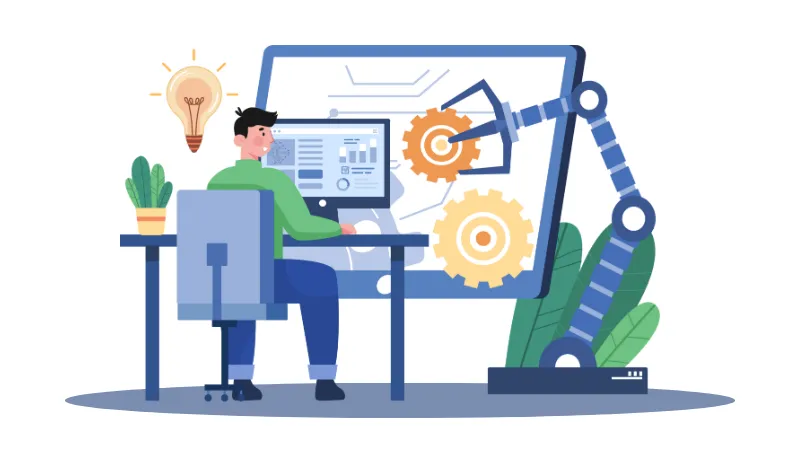
For years, “automation” was the magic word in outbound lead gen. Now it’s the reason inboxes overflow. Everyone’s running the same sequences.
But automation isn’t the problem. Generic automation is.
New AI-driven tools—like HubSpot Prospecting Agents, Lavender, Clay, Apollo.io, and Instantly—are redefining what scale means. These systems research each contact before sending a single line. They pull job titles, company news, and recent posts, then craft unique outreach messages per contact.
This changes the game. You still reach thousands, but every message reads like one-to-one.
AI writes the draft; humans refine tone and intent. The blend produces relevance at scale—the new baseline for serious email outreach strategy.
Is it safe to use AI for personalizing email and LinkedIn outreach?
Yes, when it’s used for research and drafting, not mass-sending. Always review AI-written text for tone, accuracy, and compliance before hitting send.
Related: All About Marketing Automation
3. The Attention Economy: Competing for Eight Seconds
Your competition isn’t other sales reps. It’s every notification your buyer sees today.
The average professional receives 121 emails and 15 LinkedIn messages daily. Most are deleted in under ten seconds. That’s your window.
The Attention Rules
- Brevity beats cleverness. Stay under 120 words in emails, 300 characters in LinkedIn DMs.
- Lead with context. Mention something recent, relevant, or role-specific.
- Give before you ask. Share a stat, insight, or short resource first.
- Time it right. Mid-week mornings for email; early-afternoon LinkedIn messages perform best.
AI tools can help here, too. Platforms like Lavender score your subject lines for clarity and empathy. Others, like HubSpot’s AI Agents, recommend optimal send windows based on prior engagement.
What’s the best time for email and LinkedIn outreach?
Tuesday and Wednesday mornings often yield higher email opens. LinkedIn messages land best mid-afternoon, when users browse casually between tasks.
Related: Email vs Phone vs LinkedIn to Generate B2B Leads
4. Data Accuracy: The Foundation of Every Outreach System
No AI tool fixes bad data.
A clean, segmented list drives everything—personalization, deliverability, and credibility.
Start with your Ideal Customer Profile (ICP). Enrich your list with reliable intent data and verify every contact.
Teams that refresh their data quarterly see 25 % higher reply rates and fewer bounce issues.
HubSpot, Apollo, and Clay now automatically sync enrichment and CRM data, so sequences always use the latest titles and domains.
How often should I clean my email and LinkedIn outreach data?
Every 90 days. Roles and domains shift constantly. Good data keeps your outreach relevant and compliant.
5. The Trust Loop: How Email and LinkedIn Reinforce Each Other
Trust doesn’t start with a pitch. It starts with recognition.
This is where LinkedIn lead generation multiplies the impact of email outreach.
Here’s the loop:
- Your email introduces a clear value or insight.
- Your LinkedIn profile visit or comment creates visibility.
- Your next email lands—and now you’re not a stranger.
The loop works because the buyer’s brain connects familiarity with safety. Once you look familiar, they’re more likely to read.
What’s the easiest way to build trust on LinkedIn?
Keep your profile current. Post about problems your market faces. Comment on others’ content. When your digital footprint looks real, your outreach feels safe.
Discover the LinkedIn Premium Company Page for your business.
6. Compliance Is Quiet Credibility
Most professionals skip over compliance, but the best outreach respects rules by default.
Following CAN-SPAM, GDPR, and local privacy laws isn’t red tape—it’s trust architecture.
Emails with valid signatures, clear opt-outs, and accurate sender info perform better because they look real.
Can I still do cold email outreach under GDPR?
Yes—if they’re business-relevant, transparent, and include an opt-out. Avoid personal addresses and misleading headers. Transparency protects both you and your reputation.
7. Sequencing: The Rhythm That Earns Replies
Success in email outreach and LinkedIn outreach is about rhythm. Most buyers respond after multiple touches, not one.
Good multichannel outreach runs on rhythm, not luck.
| Day | Channel | Focus |
| 1 | Email outreach | Short, role-specific intro |
| 2 | LinkedIn visit | Profile view or light engagement |
| 4 | LinkedIn message | Reference earlier email casually |
| 7 | Follow-up email | Add insight or case example |
| 10 | LinkedIn reminder | Stay visible without pressure |
| 14 | Final email | Polite close with an offer to reconnect later |
Modern CRMs like HubSpot and Outreach.io now use AI to predict optimal send gaps, ensuring you follow up just enough without spamming.
How many messages are too many?
Five to six touches are ideal. After that, pause for a few weeks and re-engage with a new trigger or update.
Sequencing builds familiarity. Persistence builds respect.
8. Email and LinkedIn Outreach Metrics That Matter
Email and LinkedIn outreach without measurement is guesswork.
Track the right numbers, not vanity metrics.
- Open rate: 30–40 % signals good targeting.
- Reply rate: 8–10 % means your copy resonates.
- Meeting conversion: 3–5 % of total contacts shows qualified traction.
AI platforms help here, too. HubSpot, Apollo, and Instantly now use machine learning to analyze subject lines, response sentiment, and even predict likelihood of conversion based on tone.
What if my open rate is high but replies are low?
Your targeting is fine; your message may lack relevance or clarity. Rewrite the first line or change your CTA to a smaller ask.
Learn how to boost your email open rate.
9. Building a Scalable Outreach System
The best-performing teams treat email outreach and LinkedIn outreach as part of a single system — not two separate experiments.
A modern B2B lead generation system includes:
- AI-assisted research – Tools like Clay or Apollo.io collect and score new leads daily.
- CRM-integrated outreach – HubSpot Prospecting Agents automate follow-ups and personalize content using your CRM data.
- Human quality control – Reps review AI drafts for tone and accuracy before launch.
- Feedback loops – Data from every send feeds back into training models and segmentation.
Scalable doesn’t mean generic. It means every contact feels like you wrote just to them.
How soon do scalable email and LinkedIn outreach systems show results?
Usually within 30–45 days. Once data flows cleanly and timing stabilizes, replies grow steadily without spiking spam complaints.

10. The Human Edge
Even with AI writing at scale, tone still wins.
People decide in seconds whether your outreach feels human or programmed.
Before sending, read your message out loud. If it sounds unnatural, fix it. If it sounds like something you’d say face-to-face, send it.
AI provides scale. Humans provide sincerity. The two together outperform either alone.
What’s one quick way to make outreach feel human?
Start your first sentence about them, not you: “Saw your post on customer retention—curious how your team measures churn?” beats any templated opener.
11. When to Let Go and Re-Engage
Not every lead is ready. Timing shifts with budgets, roles, or priorities.
If there’s no response after your sequence, pause. Revisit after 60–90 days with a new reason: market update, case result, or resource.
Tools like HubSpot and Outreach.io now flag when a contact changes jobs, letting you re-enter at the right moment.
Is lead reactivation worth it?
Yes. Prospects who didn’t respond before often convert later when context changes. A thoughtful second wave can outperform first-time outreach by 20%.
Related: Outbound Lead Generation Strategies for 2025
12. Pulling It All Together
The outreach strategies that win in 2026 aren’t about volume—they’re about connection.
- Email outreach gives context and clarity.
- LinkedIn outreach gives visibility and trust.
- AI tools provide scale and precision.
- Humans give tone and empathy.
Together, they form a loop that builds recognition and credibility—two assets automation alone can’t replicate.
Your buyers don’t separate inbox from feed. Neither should you. Align timing, personalize with intelligence, and maintain rhythm.
Because the outreach that gets remembered isn’t the one that sends the most messages, it’s the one that feels the most real.