





The demand for managed security services has never been higher. Companies know they need constant protection, but few know whom to trust. For Managed Security Service Providers (MSSPs), the challenge isn’t explaining what is MSSP — it’s convincing prospects that your team can protect them better than anyone else.
You’re talking to experts who already know the risks. They’ve read every statistic, tested multiple tools, and heard from dozens of managed service providers promising the same 24/7 vigilance. In this space, differentiation doesn’t come from a better dashboard or faster alert — it comes from how you communicate.
The most effective managed security service lead generation doesn’t just sell protection. They build confidence through clear messaging, relevant outreach, and timing that feels personal. Every email, call, or post either builds trust or breaks it.
This article explores how to design a lead generation strategy that earns trust before conversion — one built on communication discipline, not marketing noise. Whether you offer SOC-as-a-Service or managed detection and response, the way you connect with decision-makers will define your growth.
Why Most MSSP Lead Gen Outreach Fails
Most MSSP outreach fails for one reason: the message sounds like everyone else’s.
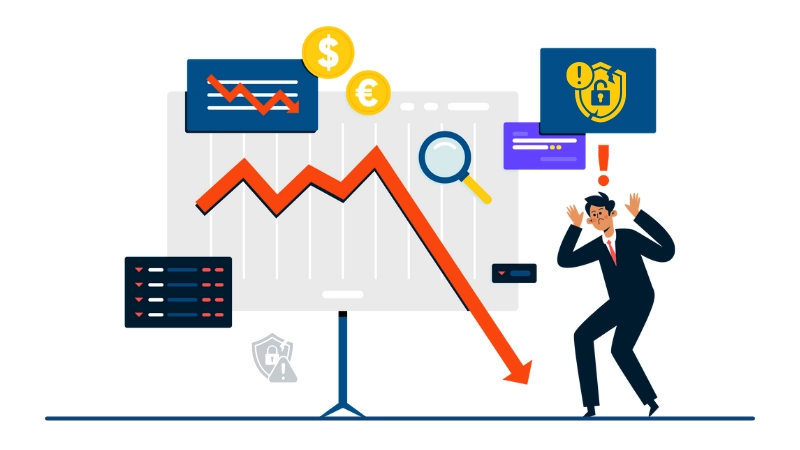
Open your inbox and you’ll see it — dozens of managed security services pitches repeating the same lines:
“We provide 24/7 monitoring and SOC services to help you stay protected from threats.”
It’s safe. It’s polished. And it says nothing.
CISOs and IT directors have heard it all. They already know the types of managed security services available — firewall management, intrusion detection, endpoint protection. What they want to know is how you solve their problems: talent shortages, compliance audits, or escalating tool costs.
A message that says, “We help lean IT teams cut alert fatigue by simplifying their MDR workflow” hits closer to home than another generic promise of protection. It sounds like you’ve done your homework.
Another mistake is using fear as a marketing tactic. Many managed security service providers lead with breach headlines and attack statistics. That approach backfires. Security buyers don’t want to be scared; they want to be understood.
And while persistence matters, repeating the same script across email, phone, and LinkedIn doesn’t build familiarity — it builds fatigue. Each touchpoint should add context, not noise. For example, your second email might expand on managed detection and response, showing how it integrates with existing tools instead of replacing them.
In cybersecurity sales, your first message is your credibility test. If it’s rushed, irrelevant, or fear-driven, the buyer doesn’t assume you lack expertise — they assume you lack control. And control, in security, is everything.
Fuel your sales growth with more qualified MSSP leads!
Why do most MSSP lead generation campaigns underperform?
Because messaging often lacks relevance. Decision-makers tune out when outreach sounds identical to every other security pitch. Tailoring communication to industry pain points and using varied, multi-channel touches fixes that.
Message Clarity: The First Layer of Trust
Every cybersecurity company says they protect data, monitor networks, and stop attacks. That’s the baseline. What separates strong managed security service providers from forgettable ones is message clarity.

Clear communication signals control. When your message is specific, concise, and free of filler, it gives buyers confidence that your operations are the same. Vague messaging, on the other hand, suggests a lack of focus — and in security, focus equals safety.
Start by simplifying your core message. Instead of listing types of managed security services, show what outcome each one drives. For example:
- Firewall management that reduces downtime.
- Threat detection that cuts response time by 40%.
- Vulnerability scanning that improves audit readiness.
These lines aren’t marketing fluff; they’re proof points. They show that your managed security services create measurable impact.
Clarity also means using the buyer’s language. CISOs don’t think in terms of “robust cybersecurity frameworks.” They think about risk, uptime, and compliance. When you frame your value around those priorities, your outreach stops sounding like a pitch and starts sounding like a plan.
The best managed security service providers don’t try to say everything in the first email or call. They open with one sharp, relevant insight — then let each follow-up deepen the story. That’s how trust compounds over time.
How does clearer messaging improve lead quality for MSSPs?
Clarity attracts the right prospects. When your message explains outcomes and differentiators in plain terms, unqualified leads self-filter while qualified ones engage sooner.
Related: Cybersecurity Marketing Challenges and Solutions
Storytelling in Micro-Moments
Every MSSP talks about credibility. Few know how to prove it fast. That’s where micro-storytelling comes in.
Cybersecurity buyers have short attention spans and long memories. They’ll remember the vendor who gave them one clear, specific story that felt real. You don’t need a long case study — you need a sentence that sticks.
Try something like this:
“A client in healthcare cut false positives by 60% after we simplified their managed detection and response process.”
That’s a real, verifiable win told in one line. It shows you understand a key issue — alert fatigue — and have solved it before.
Micro-stories can live anywhere: a short email paragraph, a voicemail drop, or a LinkedIn message. The goal is to replace abstract claims with evidence. Every time you share one, you give the buyer another reason to believe you.
You can even rotate stories by audience. For smaller managed service providers branching into security, talk about scaling SOC operations affordably. For enterprises, focus on integration and compliance. Adjust the lens, not the truth.
When combined with a clear message, micro-storytelling humanizes your outreach. It turns “cold” communication into conversation. And in managed security services, that human connection is what ultimately opens the door to real engagement.
The Outreach System That Builds Familiarity
In cybersecurity sales, trust builds over time — not through pressure, but through presence. For managed security service providers, the goal of outreach isn’t to close fast; it’s to stay relevant long enough to earn a response.
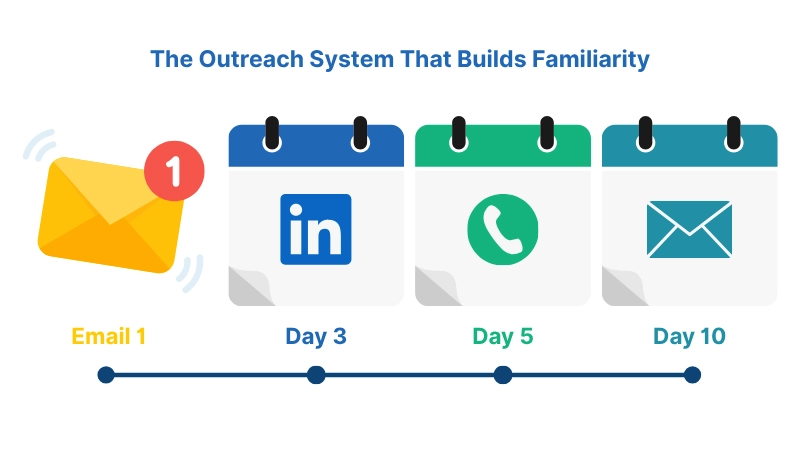
That’s where a structured outreach system comes in. Familiarity comes from rhythm. When your email, call, or LinkedIn message arrives with purpose and timing, you stop being a stranger and start becoming part of the buyer’s mental shortlist.
A strong outreach cadence follows this logic:
- Email 1: Value-focused introduction. Short, specific, and aligned with their role.
- Day 3: LinkedIn connection with a short note referencing a pain point.
- Day 5: Follow-up call with a question, not a pitch.
- Day 10: Send a short use case or insight related to managed detection and response or threat containment.
Each touchpoint reinforces the previous one but adds something new — data, proof, or perspective. This is how you build recognition without repetition.
Consistency signals stability. Buyers assume you’ll handle their security the same way you manage your outreach: with discipline, precision, and follow-through. That unspoken impression often wins meetings before your value proposition is even discussed.
For many MSSP marketing teams, this is where outsourcing adds value. A specialized partner provides the cadence, content, and data rhythm so your internal team can focus on engagement and conversion.
Related: 5 Winning Sales Cadence Examples
What’s the benefit of outsourcing outreach for managed security service providers?
Outsourcing gives MSSPs access to experienced SDRs, clean data, and proven sequencing — all of which sustain engagement and build credibility faster than internal trial-and-error.
Timing and Signal Intelligence
In lead generation for managed security service providers, timing often matters more than message. You can have a perfect offer and still get ignored if you reach out when the buyer isn’t ready to act.
Strong outreach programs don’t rely on guesswork. They use signal intelligence — data and behavioral cues that reveal when a prospect is most likely to engage.
These signals can include:
- A company hiring for cybersecurity roles (indicating new budgets).
- Recent compliance audits or breach incidents reported in the news.
- A spike in engagement with your content or managed detection and response materials.
When your message arrives right after one of these triggers, it feels timely instead of random. That slight difference increases your chance of getting a response by several times.
Smart managed security services marketers pair these insights with structured outreach. AI tools can detect activity patterns, but it takes human intuition to interpret them — to know when a short note or call will land naturally.
This is why many MSSPs now combine internal strategy with outsourced expertise. A partner dedicated to monitoring market signals, enriching data, and coordinating follow-ups ensures that outreach aligns with buyer readiness — not arbitrary schedules.
Timing isn’t luck. It’s the result of disciplined observation and intelligent engagement.
How can MSSPs identify the best time to reach out to prospects?
Track hiring trends, compliance activities, and content engagement. These signals reveal when organizations are evaluating or expanding their security operations.
From Outreach to Dialogue
The goal of every managed security services campaign isn’t just a reply — it’s a real conversation. That’s where many MSSP teams fall short. They build systems for contact, not for dialogue.
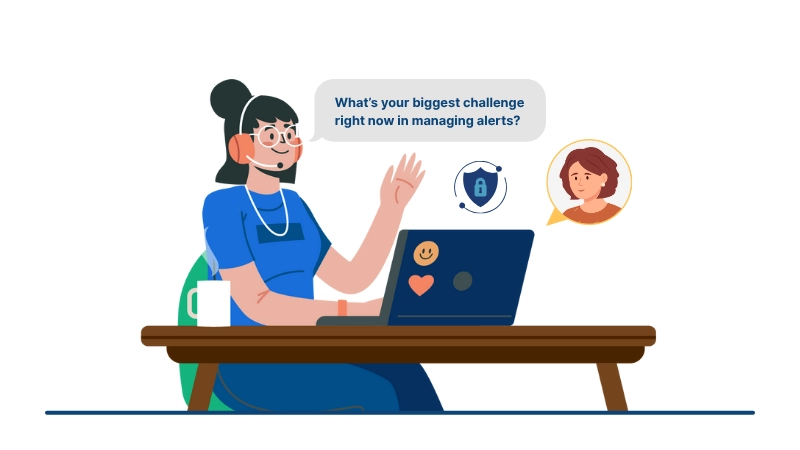
Getting a response doesn’t mean you’ve built trust; it means you’ve earned attention. What you do next decides whether that attention turns into a meeting or disappears.
The transition from outreach to dialogue should feel seamless. When a prospect replies, skip the sales pitch and start asking about context:
- “What’s your biggest challenge right now in managing alerts?”
- “Are you looking to improve visibility or reduce noise in your managed detection and response workflow?”
These aren’t discovery questions — they’re empathy tests. They show you care about the problem, not just the pipeline.
Buyers remember who listens. When your tone is conversational instead of transactional, they’re more likely to share details that help qualify them properly. It also gives your sales team richer insights for follow-up messaging.
Many managed security service providers now rely on dedicated SDRs or outsourced lead generation partners to manage this stage. It ensures every response is handled with consistency and precision, keeping conversations alive while the internal team focuses on demos and deals.
A strong dialogue process transforms initial curiosity into credible opportunity — and credibility is the true currency of B2B cybersecurity sales.
How can MSSPs turn prospect replies into qualified conversations?
Respond with curiosity, not a sales pitch. Ask about challenges, priorities, or workflows to understand intent before proposing a solution.
Related: Where and How to Get New Cybersecurity Leads
Closing
In the managed security services industry, lead generation success doesn’t come from how many prospects you contact — it comes from how clearly and consistently you communicate.
The most effective MSSPs don’t flood inboxes or overpromise results. They focus on clarity, storytelling, and timing. Every touchpoint feels intentional. Every message reflects control. And that control builds trust faster than any claim of 24/7 protection ever could.
Your buyers — CISOs, IT directors, compliance officers — are trained to spot risk. When they see discipline in your outreach, they assume the same discipline exists in your operations. That’s how trust converts into meetings, and meetings into contracts.
For many managed security service providers, partnering with a lead generation specialist accelerates that process. It gives your sales team a steady flow of conversations that are already warmed by relevance and timing. It turns random outreach into a repeatable system — one where every interaction strengthens your reputation instead of testing it.
Trust isn’t a soft metric. It’s the foundation of every MSSP pipeline. Build it through communication, maintain it through consistency, and scale it through partnerships that understand both your market and your message.
When should managed security service providers consider outsourcing lead generation?
When in-house teams need consistency, scalability, or better-qualified leads. An experienced partner can manage cadence, content, and data — letting MSSPs focus on closing business.