







When I first started in sales, my approach was direct and focused only on closing. I was chasing demos, sending follow-ups, and waiting for replies. Over time, I noticed buyers weren’t moving forward because I wasn’t guiding them through the process. Once I started focusing on lead nurturing, I saw faster conversions and stronger relationships.
That same principle applies to SaaS teams today. Buyers don’t make decisions after a single demo or email. They interact with multiple channels before trusting your solution. Mapping and managing these interactions is the difference between slow, unpredictable deals and a steady, predictable pipeline.
This is where SaaS lead nurturing becomes crucial. Let’s look at what touchpoints mean, why mapping them matters, and how to create a strategy that accelerates SaaS sales deals.
What Are Lead Nurturing Touchpoints in SaaS
Lead nurturing is the process of building trust and delivering value across a series of interactions until a prospect is sales-ready.
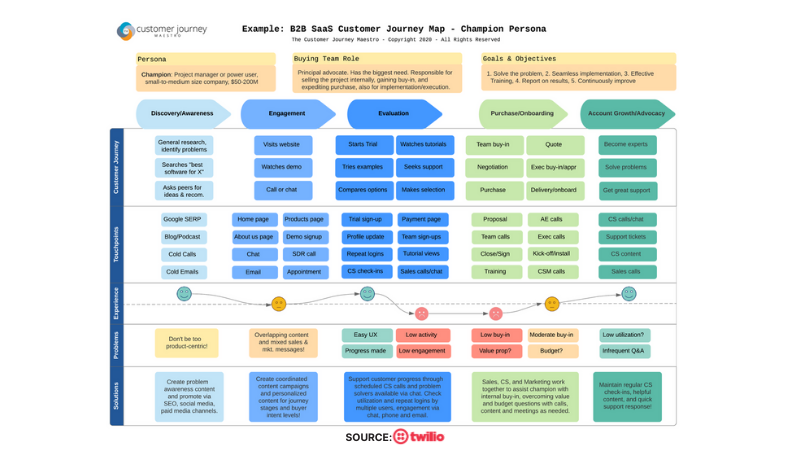
Touchpoints are the individual interactions buyers have with your SaaS business. These moments add up to form the buyer’s journey. Some touchpoints happen early, like reading a blog or clicking an ad. Others happen later, like engaging with a sales rep or using a free trial.
Common SaaS lead nurturing touchpoints include:
- Marketing: Blog visits, email campaigns, webinar attendance, paid ads.
- Sales: Phone calls, LinkedIn outreach, product demos, pricing conversations.
- Product: Free trial signups, feature exploration, in-app engagement.
In SaaS, deals don’t close after one or two touches. Research shows it often takes 50 to 90+ touchpoints before a complex SaaS deal is closed. That’s why mapping them is so important.
Check out these 5 lead nurturing strategies.
The Cons of Not Mapping Lead Nurturing Touchpoints
Some teams skip mapping because it takes time and effort. But it leads to a problem down the line
Short-term upside:
- Quicker campaign launch because you skip planning.
- Teams can begin outreach immediately.
Long-term downside:
- Missed leads between departments.
- Engagement is inconsistent, which slows the buying process.
- Missed opportunities to engage multiple decision-makers.
- There is no clear ROI attribution because touchpoints aren’t tracked.
- Sales cycles drag on because no one is tracking what works.
Without mapping, your SaaS lead nurturing strategy becomes fragmented, leaving deals to chance instead of design.
Wasting time on dead leads? Find out how to revive dormant prospects.
How Mapping Lead Touchpoints Speeds Up SaaS Sales
When you map touchpoints, you create a clear view of the buyer journey. Instead of random interactions, you guide prospects with purposeful steps. This accelerates deals because:
- You see which channels drive the most engagement and allocate effort accordingly.
- You align marketing and sales teams so they share context and timing.
- You assign intent-based scores to touchpoints, which helps prioritize hot leads.
- You identify bottlenecks, such as prospects getting stuck after a free trial, and address them promptly.
The result: shorter sales cycles, higher conversion rates, and a smoother SaaS sales process.
How SaaS Teams Can Map Lead Nurturing Touchpoints
Here’s a step-by-step framework any SaaS team can follow.
1. Identify and List Out Key Touchpoints
Start by listing every possible interaction. This includes top-of-funnel content, product-led actions, and direct sales conversations.
But you need to decide what counts as meaningful in your nurture process. You see, not every interaction carries the same weight, but each one contributes to moving a prospect closer to purchase.
For SaaS, the most common lead nurturing touchpoints include:
- Website: Your website is usually the first stop. Blog articles, pricing pages, landing pages, and chatbots provide early education and signals of intent.
- Social Media: Platforms like LinkedIn and Twitter help you engage buyers where they spend time. Social touchpoints include post interactions, direct messages, and ad clicks.
- Email: Email sequences remain one of the most effective nurture tools. Newsletters, onboarding emails, and personalized follow-ups guide prospects from awareness to decision.
- Webinars and Events: These create high-value interactions, offering buyers a deeper dive into use cases and industry trends. Attendance and engagement levels during webinars signal interest.
- Third-Party Platforms: SaaS buyers often research on review sites (like G2 or Capterra) or industry forums. Monitoring and influencing these touchpoints can help nurture leads beyond your owned channels.
- Product Usage: Trial signups and in-app behaviors are strong indicators of intent. Tracking how prospects engage with features helps sales prioritize and personalize outreach.
By listing these touchpoints, you create a clear picture of how buyers move from first interaction to final decision. Discover lead generation for enterprise software companies.
2. Connect Touchpoints to Buyer Stages
Break the journey into stages, then align touchpoints to each stage.
- Awareness: Blogs, guides, social ads. The goal is education.
- Consideration: Case studies, comparison content, nurture emails. The goal is evaluation.
- Decision: Product demos, pricing calls, ROI tools. The goal is to purchase.
3. Centralize Data
If your insights are scattered across different platforms, you don’t have a complete picture of your buyer journey. Marketing sees one set of numbers, sales another, and product a third. That disconnect makes it almost impossible to understand how a lead is moving through the funnel.
To fix this, bring everything together in a single system of record, usually your CRM. That way, every team has access to the same information without switching between five different dashboards.
- Marketing platforms like HubSpot, Pardot, or Marketo capture campaigns, website activity, and nurture email engagement.
- CRM systems such as Salesforce or HubSpot log sales conversations, meetings, and pipeline movement.
- Product analytics tools like Mixpanel, Pendo, or Amplitude track how trial users interact with your app.
- Data enrichment and integration tools such as Segment or Clearbit keep profiles accurate and connect touchpoints across platforms.
The goal is simple: one unified view of the lead that shows every marketing, sales, and product interaction in one place. This allows reps to step into a conversation already knowing the buyer’s history, interests, and stage in the journey.
Related: How to Avoid B2B SaaS Marketing Mistakes
4. Build a Timeline of the Lead’s Journey
A score tells you the level of engagement, but a timeline shows you the sequence. By organizing touchpoints in order, you get a clear picture of how a prospect moved from first interaction to a sales conversation.
Here’s an example of how a timeline might look:
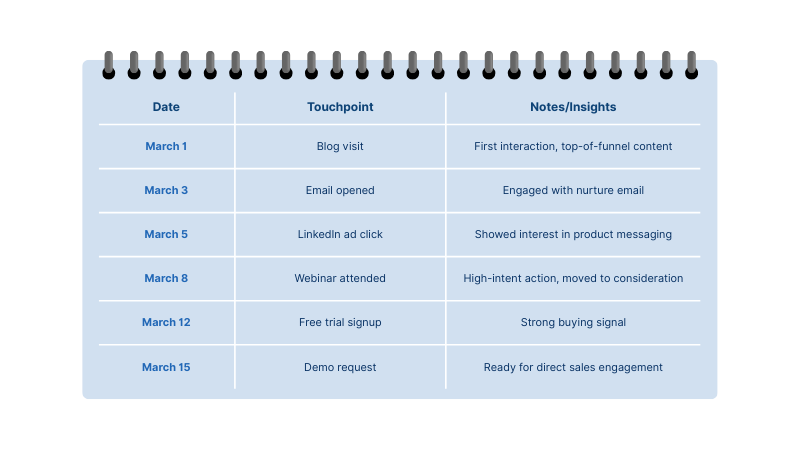
A timeline helps you spot patterns, like which actions usually lead to demos, so you can design nurturing flows that replicate success.
Unveil the tips on how to master lead nurturing.
5. Apply Intent Scoring
Assign scores based on buying signals. Example:
- Visiting a blog = +5
- Attending a webinar = +15
- Requesting a demo = +40
This helps you focus on prospects closer to buying while still nurturing those further out.
Related: How to Use Intent Data for Lead Generation
6. Automate Triggers and Actions
Use automation to react in real time. For example:
- Trigger a personalized email when someone visits the pricing page twice.
- Notify sales when a trial user engages with a premium feature.
7. Coordinate Across Channels

Prospects don’t stay in one channel. They might read a blog on your site, then check LinkedIn, then join a webinar, and later respond to an email. If those touchpoints feel disconnected, the buyer’s experience becomes fragmented.
To prevent this, align your messaging across every channel:
- Email should build on the content a lead has already engaged with, not repeat it.
- Sales calls should reference marketing activity and product usage, so prospects feel understood.
- Social ads should reinforce themes from your nurture emails, creating consistency.
- In-app notifications can tie back to campaigns, reminding trial users of benefits highlighted in earlier interactions.
When every channel speaks the same language, buyers experience one unified journey instead of scattered messages from different teams. Learn more about multichannel marketing.
8. Refine with Feedback Loops
Mapping touchpoints isn’t a one-time exercise. Buyer behavior changes, and what works today might not work in six months. That’s why feedback loops are critical.
- Sales insights: Reps can flag if specific touchpoints are leading to better conversations or if some scoring rules feel off.
- Performance data: Look at conversion rates by channel and stage. If webinars consistently lead to demos, increase their weight in your scoring.
- Customer feedback: Post-sale surveys can reveal which interactions influenced the decision most.
- A/B testing: Regularly test new nurture sequences, content formats, and trigger rules to see what improves speed to conversion.
The goal is to treat your nurturing map as a living system. Continuous adjustments ensure your SaaS lead nurturing strategy stays relevant and effective.
Looking how to generate more quality SaaS leads?
Best Practices for Lead Nurturing in SaaS
To get the most from your strategy, follow these practices:
- Personalize beyond first names: Tailor messaging to pain points by role and company size.
- Balance automation with human touch: Automated emails are efficient, but high-value leads need direct engagement.
- Pace your nurture: Quick touch sequences (under 7 days) work for new leads, but enterprise SaaS buyers need longer nurture flows.
Measure what matters: Track metrics like engagement score, conversion rate, and pipeline velocity—not just opens and clicks.
Related: Top SaaS Lead Generation Agencies
Benefits of a SaaS Lead Nurturing Strategy
When you map and manage lead nurturing touchpoints, you gain:
- Faster sales cycles through coordinated outreach.
- Higher trial-to-paid conversions because prospects get value-driven guidance.
- Stronger marketing and sales alignment, reducing silos.
- Better customer retention, since engagement doesn’t stop at the sale.
Related: Lead Nurturing Strategies for 2026
Final Thoughts
Deals don’t accelerate by chance. They accelerate because SaaS teams take control of the buyer journey. Mapping lead nurturing touchpoints gives you the structure and visibility to engage prospects at the right time with the right message.
If your SaaS team wants to shorten sales cycles and win more customers, start mapping touchpoints today.
And if you’re looking to outsource, Callbox can help. With our AI-powered, multi-channel approach, we engage your ideal buyers across every touchpoint—from awareness to decision.